
Artificial Intelligence is no longer a future concept; it is already shaping how online stores operate, sell, and scale.
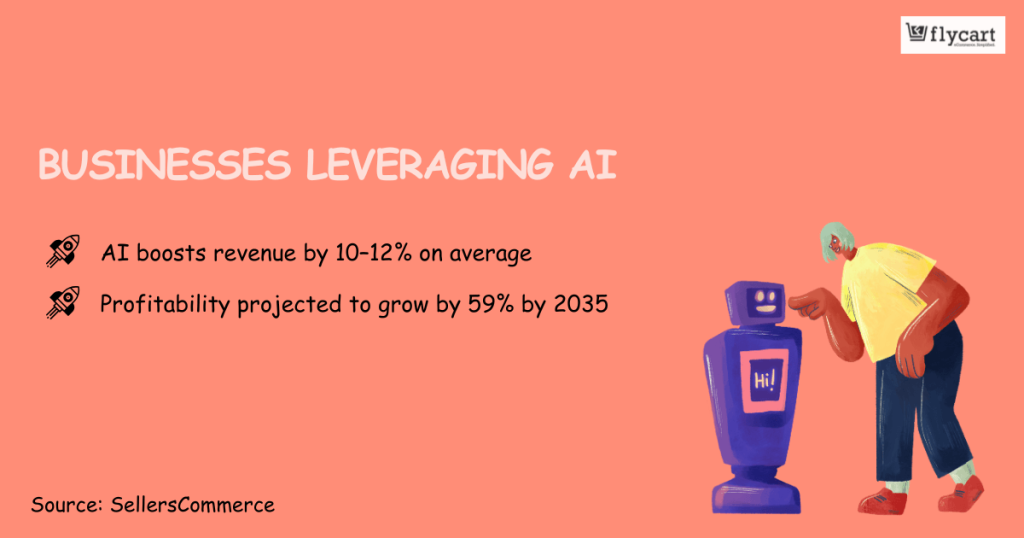
From product recommendations and demand forecasting to customer support automation and ad optimization, AI tools for ecommerce are helping store owners run smarter, faster, and more profitable businesses.
With increasing competition, rising ad costs, and higher customer expectations, relying solely on manual processes is no longer a sustainable approach.
This is where ecommerce AI tools step in, helping store owners automate repetitive tasks, gain data-driven insights, and personalize shopping experiences at scale.
In this guide, you’ll learn:
- What AI tools are and why they matter?
- How does AI help eCommerce businesses grow revenue?
- Different categories of AI solutions
- 10 practical AI tools that actually help store owners
- How can WooCommerce stores benefit from AI?
- Real-world questions people ask about AI in eCommerce.
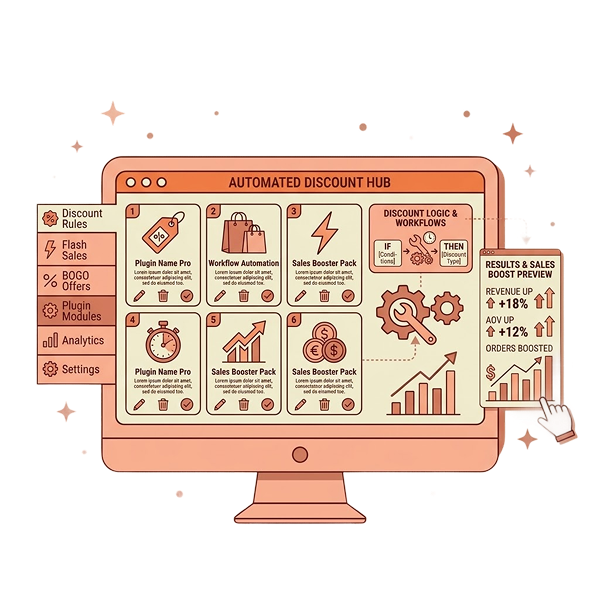
Turn more visitors into buyers with smart discounts. Use Discount Rules for WooCommerce to run bulk deals, BOGO offers, and cart-based discounts that boost conversions instantly.
Table of contents
- What are AI Tools for eCommerce?
- Benefits of Using AI Tools for eCommerce Stores
- Different Categories of AI Tools for eCommerce Stores
- 10+ AI Tools for Ecommerce
- Quick Comparison of 10 Ecommerce AI Tools
- How to Choose the Right AI Tools for Your eCommerce Business?
- WooCommerce AI Tools: How AI Helps WooCommerce Store Owners
- Discussing a Few Real User Questions (From Reddit)
- Conclusion
- Frequently Asked Questions
What are AI Tools for eCommerce?
AI tools for eCommerce are software solutions that use artificial intelligence technologies such as machine learning, natural language processing, and predictive analytics to automate tasks and improve decision-making in online stores.
The main purpose of AI tools for ecommerce is not to replace humans, but to:
- Reduce manual workload
- Analyze large volumes of data quickly
- Deliver personalized shopping experiences
- Improve operational efficiency
- Increase sales and customer lifetime value.
An AI ecommerce platform or tool can process customer behavior, browsing patterns, purchase history, and inventory data to make intelligent predictions and actions, something that would be nearly impossible to do manually at scale.
In short, AI helps you to react smarter and sell better.
Benefits of Using AI Tools for eCommerce Stores
Using ecommerce AI tools offers multiple advantages across marketing, operations, sales, and customer experience.
Here are the key benefits of using AI tools in eCommerce:
- Personalized shopping experiences: AI recommends products based on user behavior, preferences, and purchase history.
- Improved conversion rates: Smart recommendations, optimized pricing, and targeted offers increase purchase likelihood.
- Marketing automation: AI-based ecommerce platforms automate email campaigns, ads, and retargeting workflows.
- Better inventory management: Predictive analytics help forecast demand and avoid overstock or stockouts.
- 24/7 customer support: AI chatbots handle common queries instantly, improving response times.
- Reduced operational costs: Automation reduces dependency on manual labor for repetitive tasks.
- Data-driven decisions: AI transforms raw data into actionable insights for growth strategies.
For store owners looking to scale efficiently, AI-based ecommerce platforms are a must-have to stay ahead of their competitors.
Different Categories of AI Tools for eCommerce Stores
Before diving into tools, it’s essential to understand the primary categories where AI is applied in eCommerce.
Common Categories of AI Tools for eCommerce:
- AI for Marketing & Advertising
- AI for Content Creation (Images, Videos, Descriptions)
- AI for Product Recommendations & Personalization
- AI for Customer Support
- AI for Pricing & Revenue Optimization
- AI for Inventory & Demand Forecasting
- AI for Analytics & Insights
The tools listed below cover these categories, giving you a balanced stack of AI ecommerce tools for growth.
10+ AI Tools for Ecommerce
1) SEMrush
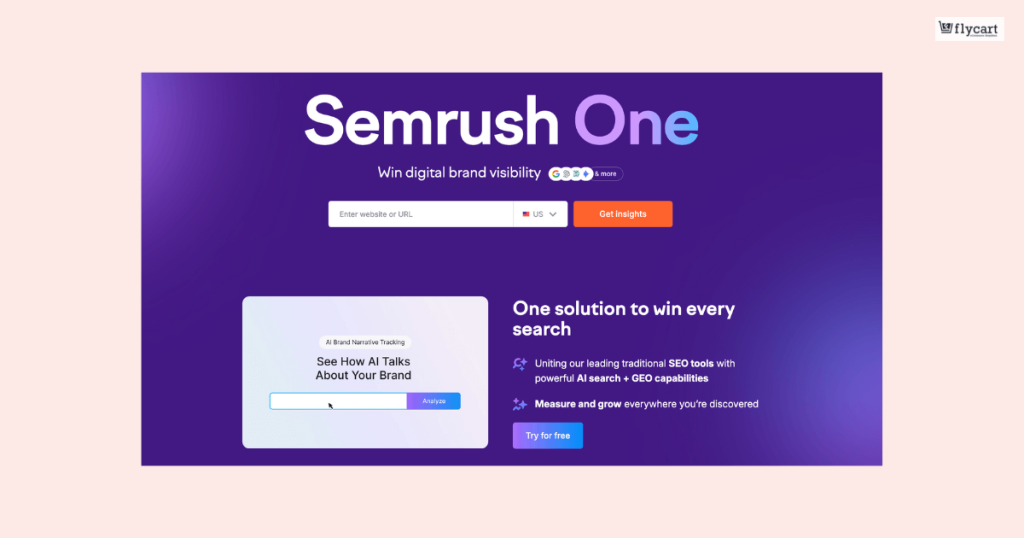
Category: SEO & Digital Marketing
What it does: Helps eCommerce stores improve search visibility, do keyword research, audit sites, and analyze competitors.
SEMrush is an all-in-one digital marketing platform used for SEO, competitor analysis, rankings tracking, backlink audits, content planning, and more.
It includes AI-based features like topic suggestions and search insights to help grow organic traffic.
Who can use it: SEO teams, content marketers, eCommerce store owners, and agencies.
2) Klaviyo
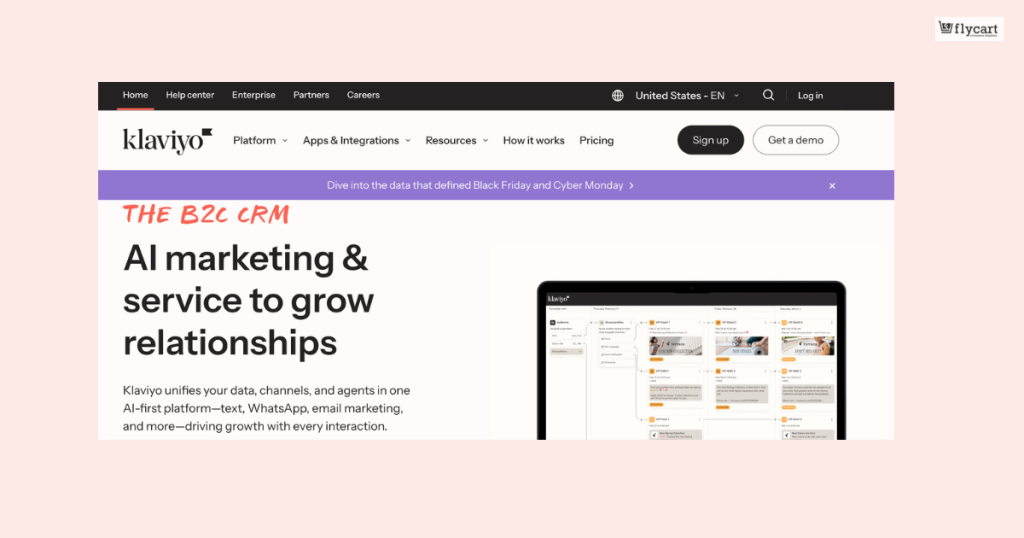
Category: Email & SMS Marketing Automation
What it does: Automates email and SMS campaigns with segmentation and predictive analytics tailored for ecommerce.
Klaviyo uses customer data to send targeted campaigns, personalize messages, and drive repeat purchases.
It includes AI elements for content and prediction.
Retainful, while not AI-based, is also excellent for conversion-focused email flows and cart reminders.
Who can use it: Ecommerce store owners and marketers.
Related Read:10 Types of eCommerce Marketing Your Online Store Should Follow
3) Google Performance Max
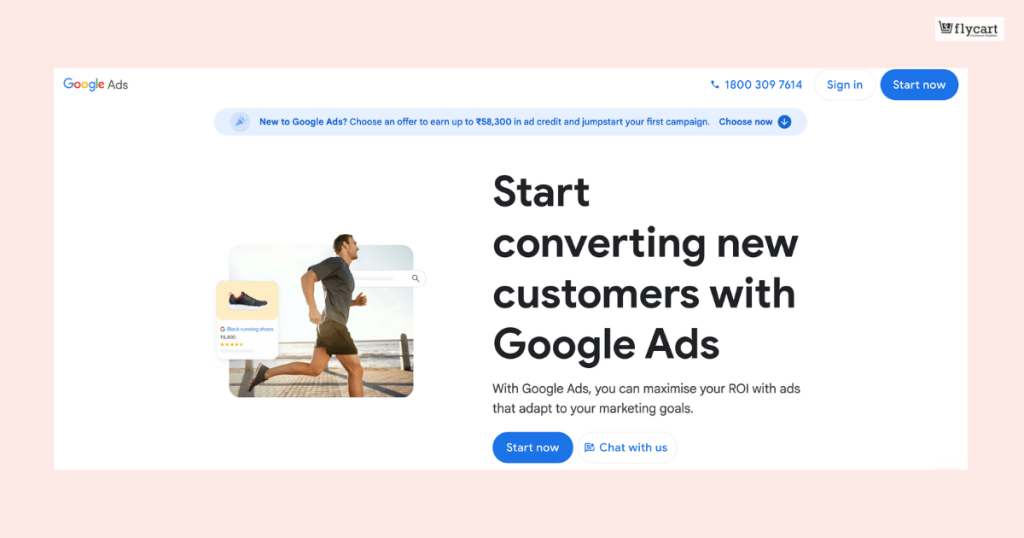
Category: Advertising (AI-Powered)
What it does: Auto-optimizes ad delivery across Search, Display, YouTube, and Shopping to reach high-intent buyers
Performance Max allocates your budget and creatives across Google inventory to maximize conversion goals. You provide goals and assets, and the AI tests and optimizes automatically.
Who can use it: Ecommerce advertisers looking to automate ad placements and improve ROAS.
4 A) ChatGPT

Category: AI Content Generation
What it does: Generates SEO content, product descriptions, email drafts, and strategy prompts.
ChatGPT helps create text and images for content creation, support answers, and campaign ideas.
Also, Gemini, Claude, and Jasper are good for content writing tasks.
Who can use it: Store owners, content creators, marketers, and support teams.
4 B) Midjourney

Category: AI Image Generation
What it does: Generates unique images from text prompts for ads, product visuals, and brand assets.
MidJourney creates AI-generated artwork for campaign graphics, social posts, and creative concepts, allowing eCommerce brands to design high-quality visuals without relying on professional designers.
It helps marketers quickly generate unique ad creatives, product visuals, and branding assets that stand out across digital channels.
For ecommerce teams working with video ads and reels, pairing visuals with an online video editor makes it easier to polish content for different platforms without complex workflows.
Who can use it: Marketers, social media teams, and designers.
4 C) Synthesia

Category: AI Video Creation
What it does: Turns text scripts into professional videos using AI avatars and voices.
Synthesia is useful for creating ads, product explainers, or brand content without filming, using AI avatars and voiceovers to turn text scripts into professional videos.
It helps eCommerce brands produce scalable video content for marketing, onboarding, and promotions without the cost or time of traditional video production.
Who can use it: Ecommerce marketers and content creators
5) Nosto
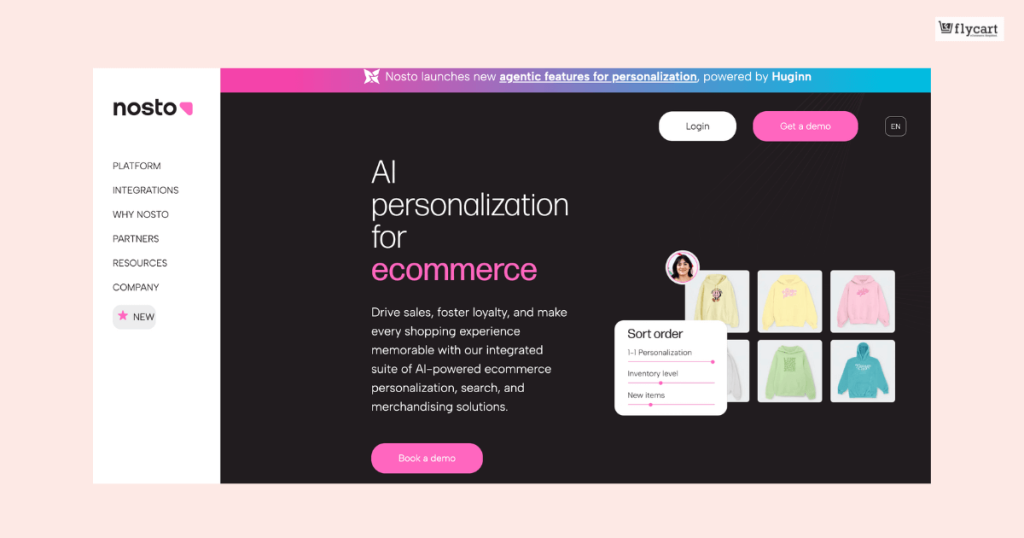
Category: Personalization
What it does: Tailors product recommendations and on-site merchandising based on visitor behavior.
Nosto uses AI to personalize shopping experiences across pages, adapting to browsing and purchase patterns in real time.
It helps eCommerce stores show relevant products, offers, and content to each shopper, improving engagement, conversions, and average order value.
Who can use it: Medium to large ecommerce brands with varied inventories.
6) Dynamic Yield
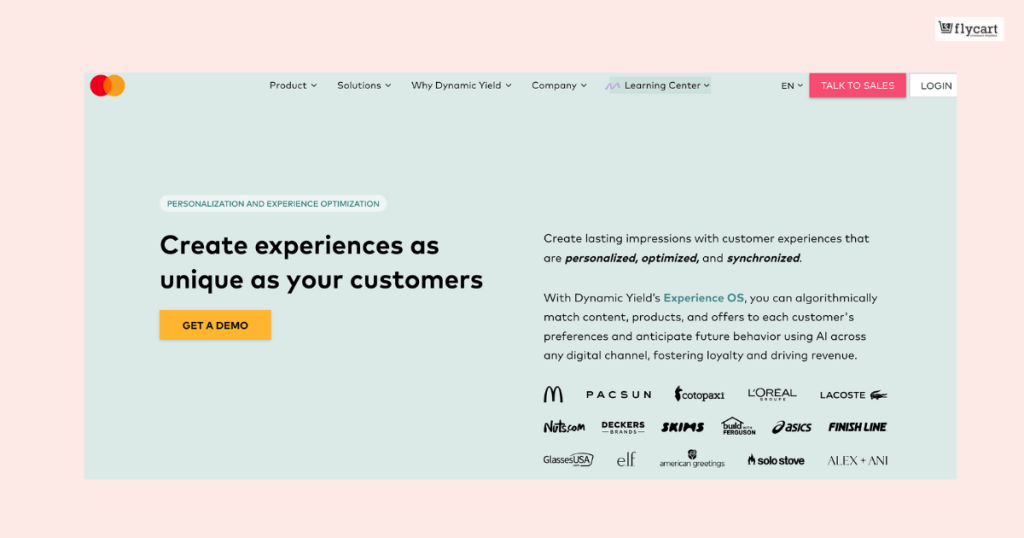
Category: Personalization & Optimization
What it does: Delivers AI-driven recommendations, segmentation, and experience personalization.
Dynamic Yield personalizes content, offers, and recommendations across channels in real time, using customer data and behavior signals to tailor each interaction.
By adapting layouts, messaging, and product suggestions it helps eCommerce brands increase engagement, conversions, and overall customer experience.
Who can use it: Enterprise and mid-market ecommerce teams.
7) Tidio
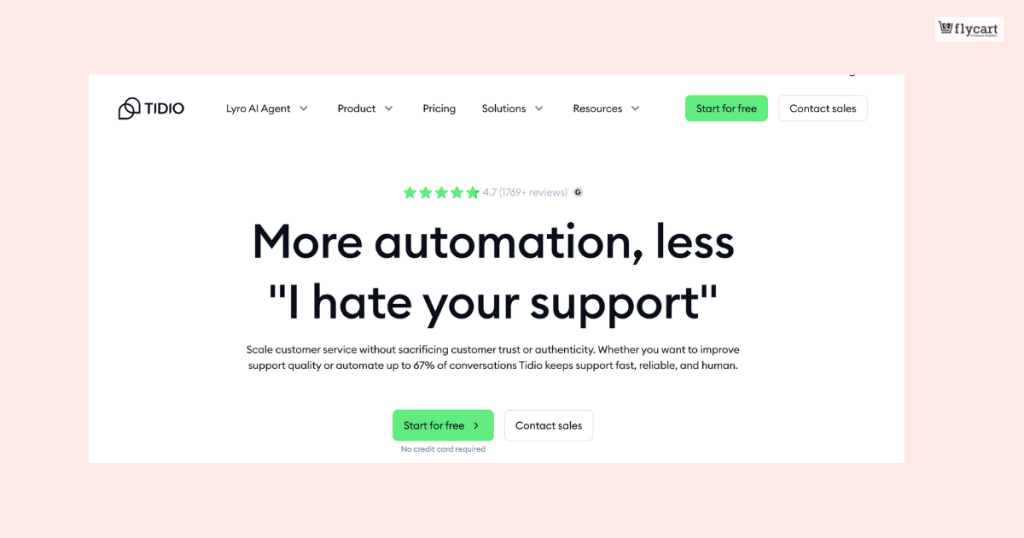
Category: AI Customer Support & Engagement
What it does: Automates chat responses, collects leads, and engages customers in real time.
Tidio’s AI-powered chatbot answers FAQs, captures emails, and assists shoppers on-site, providing instant support throughout the buying journey.
By reducing response time and handling repetitive queries automatically, it lowers support overhead while improving customer satisfaction and conversions.
Who can use it: Small to mid-sized ecommerce stores.
8) Prisync
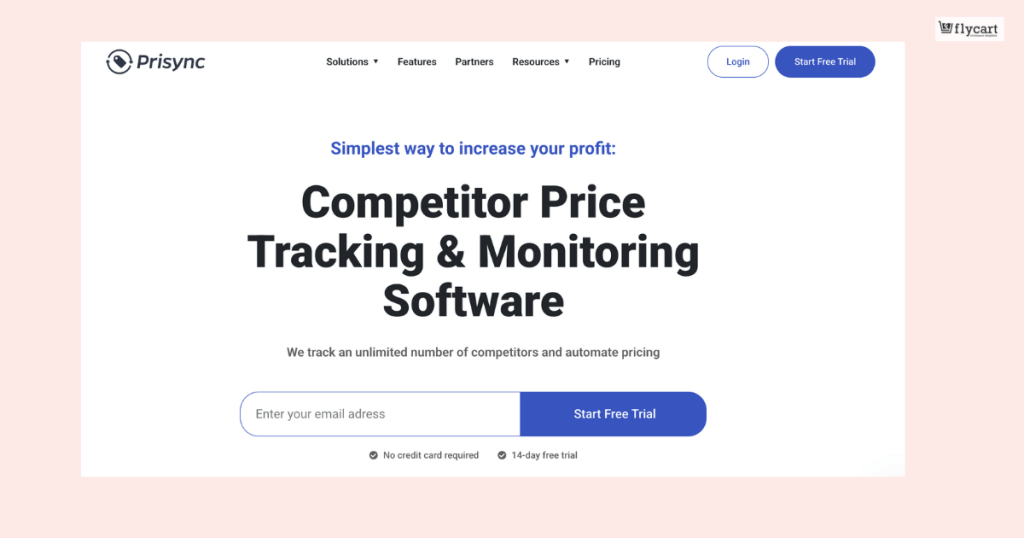
Category: Pricing Optimization & Competitor Tracking
What it does: Tracks competitor prices and automatically adjusts your pricing to stay competitive.
Prisync monitors market pricing and adjusts your product prices automatically based on competitor data and market trends.
This helps eCommerce stores stay competitive, protect profit margins, and improve conversions without constant manual price monitoring.
Who can use it: Ecommerce owners competing on price.
9) Cogsy
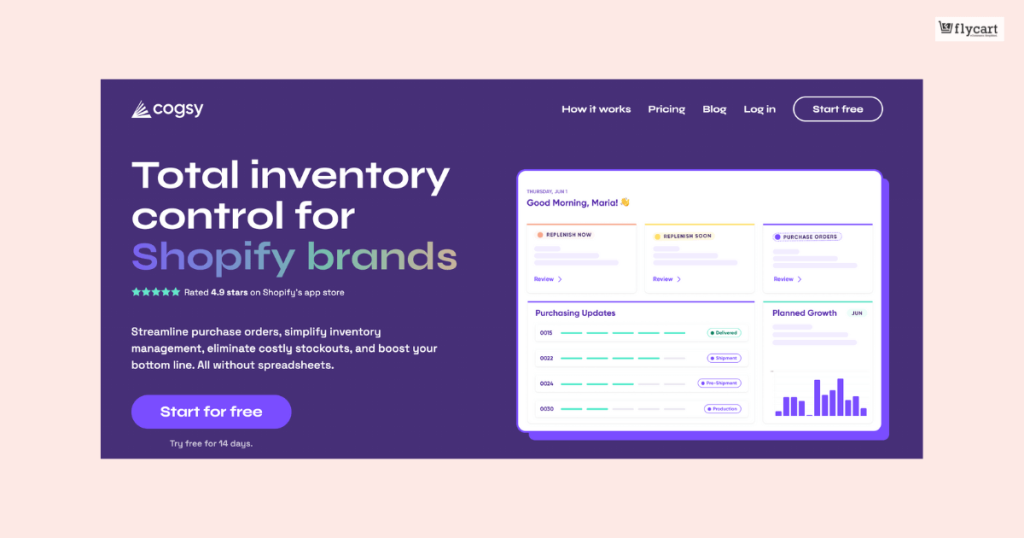
Category: Inventory Forecasting & Planning
What it does: Predicts demand, automates purchase planning, and helps manage stock.
Cogsy forecasts inventory needs, generates smart reorder suggestions, and aligns stock levels with real-time sales velocity.
This helps eCommerce brands avoid stockouts, reduce overstocking, and maintain healthy cash flow as they scale.
Who can use it: Mid-sized ecommerce brands wanting smarter inventory control.
10) Plerdy

Category: UX & Conversion Optimization
What it does: Offers heatmaps, session recordings, conversion tracking, and AI UX insights.
Plerdy provides behavior analytics and AI-powered insights that help ecommerce stores understand how users interact with their site.
By identifying friction points through heatmaps, session recordings, and conversion data, it enables store owners to improve user experience and increase conversion rates.
Who can use it: Ecommerce marketers and UX teams.
11) WP AI Assistant – AI Chatbot & Conversational Support for WooCommerce
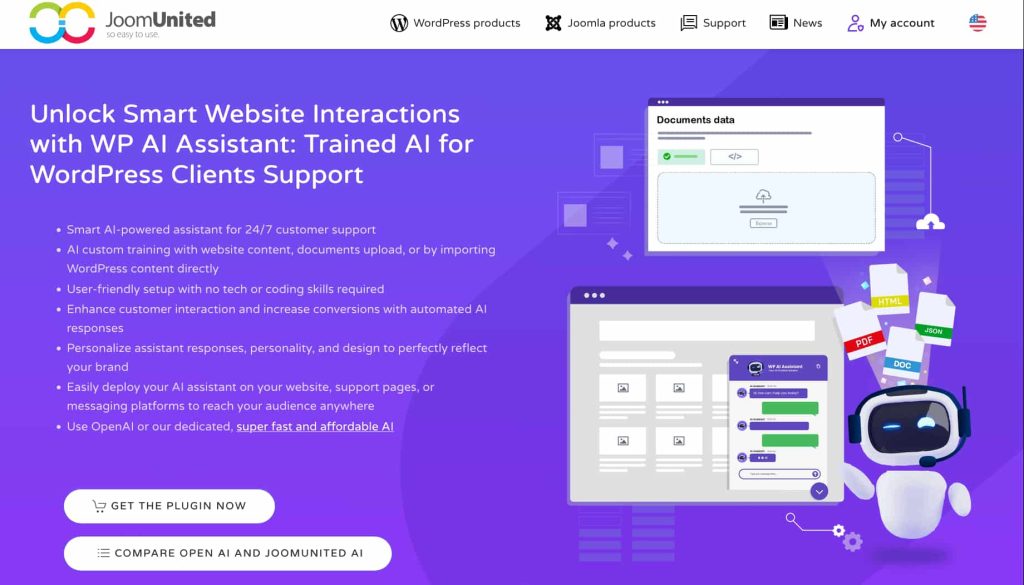
For WordPress and WooCommerce store owners who want to automate customer interactions, WP AI Assistant provides a powerful AI chatbot solution built specifically for WordPress. It understands product content and context, responds to customer inquiries naturally, assists with shopping-related questions, and can even capture leads during conversations.
The plugin supports OpenAI GPT models as well as cost-efficient JoomUnited AI models, giving store owners flexibility between fast responses and deeper reasoning capabilities. With real-time engagement and automated follow-up features, it helps reduce support workload while improving customer experience and conversions.
Best for: Ecommerce businesses looking for a customizable AI chatbot that integrates directly into WordPress and WooCommerce stores.
Quick Comparison of 10 Ecommerce AI Tools
| Tool | Category | Main Use | Best For |
| SEMrush | SEO & Digital Marketing | Keyword research, SEO audits, competitor analysis | SEO teams, content marketers, and ecommerce owners |
| Klaviyo | Email & SMS Marketing Automation | Automates personalized email/SMS campaigns | Ecommerce marketers, store owners |
| Google Performance Max | AI Advertising | Auto-optimizes ad delivery across Google channels | Ecommerce advertisers |
| ChatGPT | AI Content Generation | Generates content, product descriptions, strategy prompts | Store owners, marketers, support teams |
| Midjourney | AI Image Generation | Creates images from text prompts | Marketers, designers, social media teams |
| Synthesia | AI Video Creation | Turns text scripts into professional videos | Content creators, marketers |
| Nosto | Personalization | AI-based product recommendations | Medium to large ecommerce brands |
| Dynamic Yield | Personalization & Optimization | Recommendations, segmentation, and personalization | Enterprise & mid-market ecommerce teams |
| Tidio | AI Customer Support & Engagement | Automates chat responses, captures leads | Small to mid-sized stores |
| Prisync | Pricing Optimization | Tracks competitors and adjusts prices | Stores competing on price |
| Cogsy | Inventory Forecasting | Demand prediction and purchase planning | Mid-sized ecommerce brands |
| Plerdy | UX & Conversion Optimization | Heatmaps, session recordings, conversion insights | Ecommerce marketers, UX teams |
How to Choose the Right AI Tools for Your eCommerce Business?
Not every store needs every tool. Choosing the right AI ecommerce tools depends on your business stage and challenges.
How to Know If You Need AI Tools?
Ask yourself:
- Are repetitive tasks consuming too much time?
- Is your conversion rate stagnant?
- Are ad costs increasing without better ROI?
- Is customer support overloaded?
- Are you struggling with inventory planning?
If the answer is yes, AI can help.
Tips to Choose the Right Tool
- Start with one problem (marketing, support, inventory):
Identify your biggest bottleneck first and choose a tool that directly solves that specific issue instead of trying to fix everything at once.
- Check integrations with your existing platform:
Make sure the tool works smoothly with your eCommerce platform (like WooCommerce, Shopify) to avoid technical issues and extra setup costs.
- Measure ROI, not features:
Focus on how much revenue, time, or cost savings the tool delivers rather than how many advanced features it offers.
- Avoid tool overload:
Using too many tools can slow down your store, increase costs, and complicate workflows, reducing overall efficiency.
- Choose scalable solutions:
Pick tools that can grow with your business so you don’t have to switch platforms as your traffic, orders, and operations increase.
The best AI tools for ecommerce are the ones that solve real problems, not the ones with the most buzz.
Related Read: Much Needed Marketing Plugins to Achieve eCommerce Success
WooCommerce AI Tools: How AI Helps WooCommerce Store Owners
WooCommerce is one of the most popular eCommerce platforms globally, but its default features don’t automatically include advanced AI capabilities.
That’s where AI tools for ecommerce and smart plugins come in, helping WooCommerce merchants automate tasks, improve customer experiences, and increase revenue.
Whether you’re a small shop or a growing business, combining AI solutions with smart optimization plugins can take your store performance to the next level.
Recommended AI Tools for WooCommerce
Here are 3 practical AI tools that integrate or work well with WooCommerce and help improve conversions, user experience, and operational efficiency:
A. Tidio AI — Chatbot & Customer Support
As mentioned above, Tidio’s AI-powered chatbots are simple to integrate with WooCommerce and help your store.
Category: Personalization & Upselling
Beeketing offers AI-driven solutions for:
- Product recommendations
- Personalized pop-ups
- Smart upsell offers.
While there are multiple plugins in this space, Beeketing is built to deliver eCommerce personalization, and it integrates smoothly with WooCommerce.
C. Omnisend (AI-Powered Email & Automation)

Category: Marketing Automation
While Klaviyo and Retainful are best for both WooCommerce and Shopify, Omnisend is also a good marketing platform with AI capabilities that integrates with WooCommerce for:
- Predictive segmentation
- Personalized email/SMS campaigns
- Automated workflows (welcome flows, cart abandonment, re-engagement).
Beyond AI: Smart Revenue Plugins for WooCommerce
While AI tools cover automation and personalization, pairing them with intelligent revenue optimization plugins ensures you convert as much demand as possible.
D. UpsellWP – Smart Product Recommendation Engine
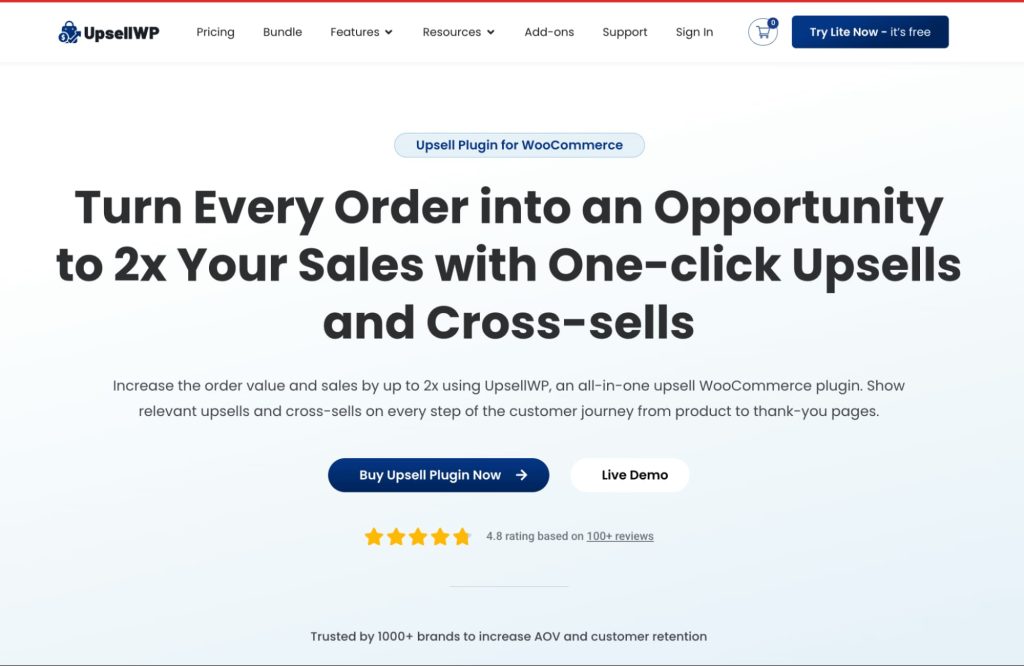
Category: Upsells & Cross-Sells
UpsellWP is a powerful WooCommerce upsell and recommendation plugin that behaves like an AI-enhanced engine by suggesting:
- Frequently bought together items
- Targeted cart upsells
- Post-purchase offers
While it’s not strictly an AI tool, its smart rule logic mimics AI recommendations by showing relevant products at optimal times.
How this helps your store:
- Increases average order value
- Improves product discovery
- Boosts revenue without relying on paid traffic.
E. Discount Rules for WooCommerce – Flycart (Strategic Cart Incentives)

Category: Discount Plugin, Marketing & Promotion.
Even with the best AI insights, many purchases still depend on compelling offers.
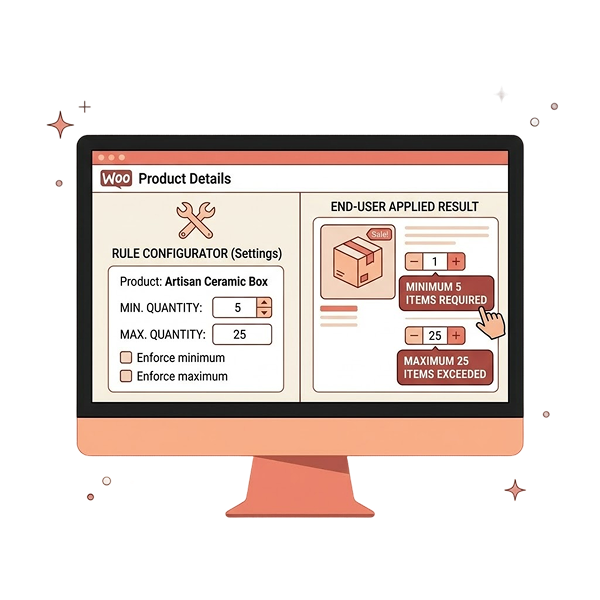
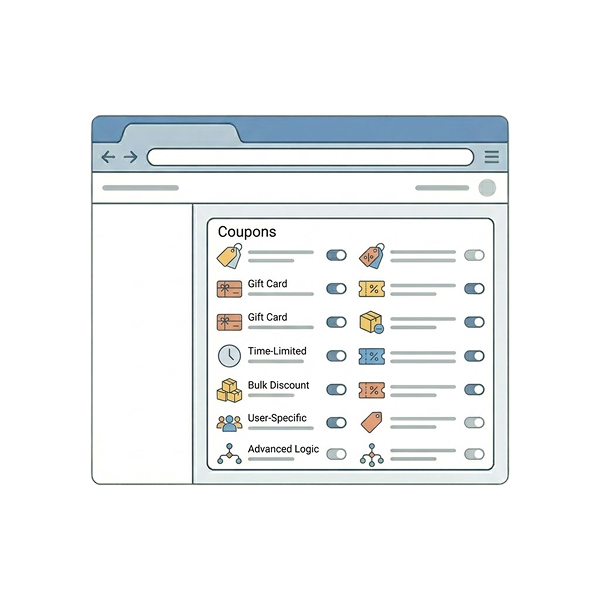
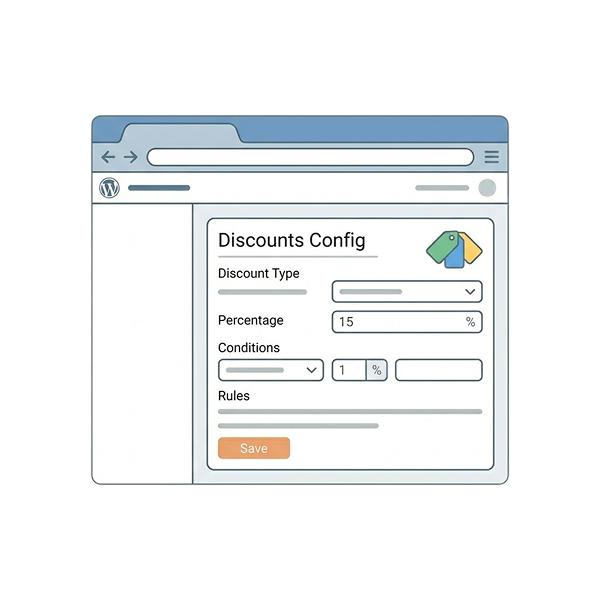
Flycart’s “Discount Rules for WooCommerce -Pro” plugin lets you design:
- Tiered discounts
- Buy-X-Get-Y deals
- User-specific and cart-based pricing rules.
Though not AI itself, this plugin complements your AI stack by turning intent into conversion, especially when paired with tools that analyze behavior.
Increase average order value without increasing ad spend. Create flexible, automated discount strategies with Discount Rules for WooCommerce and drive more revenue from existing traffic.
Discussing a Few Real User Questions (From Reddit)
1. AI Tool with High Impact
Q: Which AI tool has the strongest impact on the eCommerce industry?
Many eCommerce sellers on Reddit say the biggest impact comes from AI‑driven personalization and recommendation tools — not just generic AI assistants.
Tools that adapt product suggestions based on behavior and show relevant items at the right time have led to meaningful revenue increases and repeat purchases.
For example, switching from static “related products” to behavior‑based product recommendations helped one brand see a notable boost in average order value and repeat buys.
Beyond that, people also report practical gains from combining tools:
- ChatGPT and Gemini for trend research and product insights.
- Spadeberry to automate marketplace listings.
- Tidio or edesk for smarter support + purchase nudges.
- Sentiment analysis and adaptive visuals to refine messaging and adson Reddit.
Practical takeaway: If you want measurable effects on revenue, focus first on AI personalization engines and recommendation tools, which directly tie user intent into purchase decisions.
2. That One AI Tool
Q: If you had to choose only one AI tool to improve eCommerce sales, what would it be?
Across Reddit threads, many founders say the single most impactful tool is not a chatbot or a graphic AI, it’s predictive analytics or dynamic pricing.
Predictive tools help you understand who’s likely to buy, who might churn, and how pricing affects purchase probability, which empowers every other part of your stack (email, ads, automation).
Instead of generic features, sellers recommend:
- Dynamic pricing engines that adjust prices based on demand and competitors
- Predictive models that show you who will convert next.
These insights allow you to send sharper email offers, automate the right triggers, and get more conversions without paying for extra traffic.
Practical takeaway: If revenue is the priority, pick the AI tool that predicts customer behavior; it impacts your whole funnel, from pricing to personalization.
3. AI Tools That People Use
Q: What AI tools do people use for their eCommerce brands?
Real Reddit users across ecommerce communities are using a mix of AI tools to handle actual operational tasks, not just experiments:
- AI for automation and marketing: Many use tools to automate email campaigns, generate copy, and schedule ads. Several sellers combine AI with workflow automation so marketing runs itself.
- Productivity + creative tools: AI-generated product visuals and content creation tools are common to cut time on listing updates and landing pages.
- Support and chat automation: Brands report leveraging AI chatbots like Tidio to answer customer questions 24/7, reducing live support load.
- Marketplace tools: Some sellers even use AI to generate optimized listings (titles, tags) for marketplaces like eBay or Amazon to save hours of manual work.
Practical takeaway: Today’s eCommerce workflows mix AI automation, prediction, and creative generation, not just one single category.
The tools chosen vary by platform and goal, but the common theme is working smarter, not harder.
4. Does AI really help Make Profits?
Q: Is anyone making profits using AI tools in the business?
Yes, several Redditors explicitly report tangible profit benefits after adopting AI tools. Sellers talk about:
- Increased repeat purchases and conversion rates after launching AI‑driven recommendations
- Faster listing creation that lets them focus on growth instead of manual tasks
- Better support automation that lowers support costs and speeds up responses. This aligns with real ecommerce success cases where AI boosts efficiency and revenue without proportionally increasing costs.
Rather than vague claims, the community emphasizes human oversight plus AI execution: AI does heavy lifting, but the founder still guides strategy and quality control.
Practical takeaway: Profits aren’t automatic, but Shopify, WooCommerce, and marketplace stores are seeing real ROI when AI recommendations, pricing, and automation tools are used strategically.
Stop relying on manual pricing changes. Set up automated discount rules in minutes and let Discount Rules for WooCommerce convert shopper intent into real sales.
Conclusion
AI is transforming eCommerce at every level, from how stores market products to how they manage operations and serve customers.
By adopting the right AI tools for ecommerce, store owners can automate workflows, reduce costs, and unlock new growth opportunities.
However, AI works best when combined with:
- Clear business goals
- Smart pricing and promotions
- Strong product-market fit.
Whether you’re a small store owner or a scaling brand, the future of eCommerce belongs to businesses that use AI thoughtfully, not blindly.
Related Reads:
- WooCommerce vs BigCommerce: Best Platform for Your Online Store in 2026
- What Is Better for My eCommerce Store? WooCommerce or Shopify
- How Social Proof Plays a Major Role in eCommerce Conversions?
Frequently Asked Questions
Yes. Most ecommerce AI tools are scalable and work for small, medium, and large businesses across niches.
They are not mandatory, but they are increasingly important for staying competitive, especially as customer expectations rise.
AI can help create product descriptions, generate images, design layouts, set up chatbots, recommend products, and automate marketing workflows.
It can even assist with store setup and optimization on platforms like WooCommerce or Shopify.
However, AI still needs human input for critical areas such as business strategy, branding, pricing decisions, legal compliance, supplier management, and long-term growth planning.