
The e-commerce industry is evolving faster than ever. New brands launch daily, customer expectations shift constantly, and competitors continue to flood every niche.
In a world where shoppers compare dozens of products before making a decision, market research is no longer optional; it’s a strategic necessity for every online business.
Whether you’re launching your first online store, validating a product idea, expanding into new categories, or trying to outperform established competitors, market research helps you:
- Discover high-demand, low-competition product opportunities
- Understand customer pain points and buying behavior
- Reduce risks and avoid investing in products that won’t sell
- Improve conversions by aligning offers with real demand.
This guide breaks down 6 useful e-commerce market and product research tools that every store owner should explore.
Each tool serves a unique purpose, from keyword analysis and competitor tracking to trend forecasting and product validation, helping you make smarter decisions and scale your business with confidence.
Running your Ecommerce store on the WooCommerce platform? Create advanced discounts and coupons using the Discount Rules Pro plugin to boost sales.
Before exploring tools, let me answer the most common doubt!
Table of contents
- Is It Worth Starting an E-Commerce Business in 2026?
- Top Products in High Demand
- Why Market Research Tools Matter in Today’s E-Commerce Landscape?
- How to Do E-Commerce Market Research?
- 6 Useful E-Commerce Market Research Tools to Grow Business
- Tips to Grow Your E-Commerce Business
- Optimize Your WooCommerce Store with Smart Discounts
- Conclusion
- Frequently Asked Questions
Is It Worth Starting an E-Commerce Business in 2026?
Yes! Starting or running an e-commerce business in 2026 is absolutely worth it.
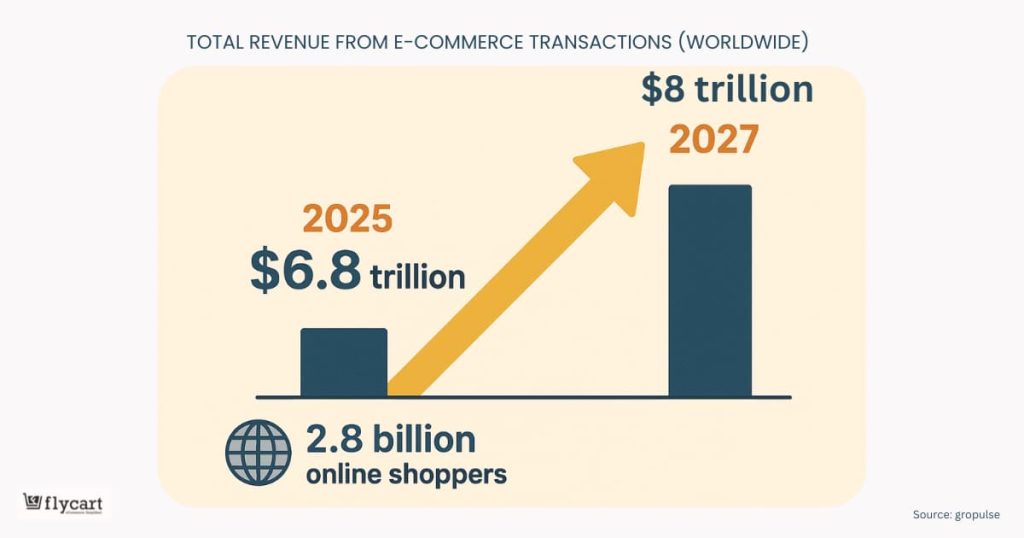
Online shopping continues to grow globally, niche markets are expanding, and consumer demand is higher than ever.
With more buyers shifting to digital, strong mobile usage, and new trends like social commerce and AI-powered personalization, e-commerce still offers huge opportunities for both new and existing store owners.
The key is choosing the right niche, validating product demand, understanding competition, and using data-driven tools to make smarter decisions.
Store owners who adapt to trends and focus on customer experience can achieve strong profitability and long-term growth in 2026 and beyond.
Top Products in High Demand
Here are a few products and categories that are in high demand:
Trending Physical Goods
- Smart home devices (smart lights, smart plugs, security cams)
- Portable health gadgets (massagers, posture correctors, fitness trackers)
- Eco-friendly items (reusable bottles, bamboo products, biodegradable bags)
- Pet accessories (interactive toys, grooming tools, feeders)
- Home & desk organization tools (minimalist shelves, cable organizers)
- Travel accessories (packing cubes, travel pillows, anti-theft bags)
- Beauty & skincare tools (LED masks, facial massagers, hair styling tools)
- Kitchen innovations (air fryers, mini blenders, space-saving tools)
- Personalized gifts (custom prints, name plates, engraved items)
Digital Products in High Demand
- E-books & digital guides
- Printable planners, templates & worksheets
- Canva templates (social media, business branding kits)
- Online courses (skill-based learning)
- Stock photos & digital graphics
- Website themes & UI kits
- Software tools & automation presets
- Digital art, icons, and illustrations
- AI prompt packs (content, ads, SEO, design prompts)
Evergreen Profitable Categories
- Beauty & personal care
- Fitness & wellness
- Pet care
- Home improvement & organization
- Baby & kids essentials
- Fashion basics (athleisure, minimal wear)
- Hobby niches (craft supplies, musical accessories)
- Mobile & tech accessories
- Kitchen & home utility tools
These are the most commonly trending and high-demand products, but store owners with unique product ideas can still break through.
Niche innovations, specialized solutions, or untapped categories can also succeed, sometimes even faster, when backed by solid market research and real customer demand.
Why Market Research Tools Matter in Today’s E-Commerce Landscape?
Whether you’re launching a new store or scaling an existing one, market research tools streamline every decision with accurate data instead of guesswork:
- Identifying profitable product opportunities
Product research tools instantly reveal high-demand, low-competition products, eliminating guesswork and helping store owners spot winning items faster than manual research.
- Understanding real customer demand
Ecommerce research tools analyze search behavior, customer preferences, pain points, and purchase intent, giving you actionable insights into what shoppers truly want.
- Reducing risk and preventing costly mistakes
Instead of relying on assumptions, ecommerce market research tools validate ideas with real-time data, helping you avoid unsellable products, low conversions, and wasted ad spend.
- Outsmarting competitors early
Trend-tracking and competitor analysis tools notify you when new opportunities arise, allowing you to enter niches before they saturate.
- Setting the right pricing and positioning
Research tools compare competitor prices, customer sentiment, and value perception so you can position your products strategically and maximize profit margins.
How to Do E-Commerce Market Research?
Here are the quick steps to do eCommerce market research:
A. Identify Niche Opportunities
Look for gaps in the market, rising interests, or underserved customer segments using trend tools, forums, and competitor stores.
B. Validate Product Demand
Check search volume, marketplace beststore owners, and social interest to confirm whether people are actively looking for the product.
C. Analyze Competition
Review competitors’ pricing, reviews, strengths, and weaknesses to understand how difficult the market is and how you can stand out.
D. Study Keywords & Search Intent
Find the exact keywords shoppers use and analyze whether they show buying intent (e.g., “best”, “buy”, “review”, “near me”).
E. Understand Customer Behavior
Read reviews, FAQs, and social comments to discover pain points, preferences, objections, and expectations.
F. Evaluate Market Size & Profitability
Estimate total demand, potential sales volume, pricing room, costs, and profit margins to ensure the niche is financially sustainable.
6 Useful E-Commerce Market Research Tools to Grow Business
Explore these six useful eCommerce market and product research tools that help you start and grow your online business and boost sales.
Pick your perfect tool from these “six tool categories, a total of 24 tools,” based on your budget, convenience, and store goals.
1. Product Discovery Tools
Product discovery tools help e-commerce store owners identify trending, high-demand, and profitable products quickly.
These tools provide data-driven insights on what products are popular, reducing guesswork and increasing the chances of a successful launch.
Popular Product Discovery Tools
Jungle Scout
Jungle Scout is a comprehensive Amazon product research tool that tracks real-time sales, reviews, and market trends. It helps store owners identify products with high demand and low competition for profitable opportunities.
- Find top-selling products and niches on Amazon.
- Analyze sales data and market trends to reduce risk.
- Validate product ideas before investing in inventory.
Helium 10
Helium 10 is an all-in-one suite for Amazon store owners offering product research, keyword tracking, and trend analysis. It gives store owners insights into what products are trending and which keywords drive purchases.
- Discover profitable product opportunities.
- Track competitors and analyze demand.
- Optimize product listings using keyword data.
Niche Scraper
Niche Scraper scans multiple online stores and marketplaces to identify trending dropshipping products. It highlights viral items that have high potential for sales.
- Quickly spot trending products for dropshipping or e-commerce stores.
- Analyze product performance metrics like sales and engagement.
- Reduce research time and focus on high-potential products.
Trend Hunter
Trend Hunter is a global trend research platform that uncovers emerging consumer trends, products, and innovations. It provides insights into products gaining popularity before they go mainstream.
- Identify upcoming product trends early.
- Gain inspiration for new product ideas and innovations.
- Make data-driven decisions to stay ahead of competitors.
Ecomhunt
Ecomhunt curates a list of trending products for e-commerce and dropshipping, complete with analytics, ad examples, and potential profit margins. It simplifies the product selection process for store owners.
- Access ready-to-sell trending products.
- Analyze profitability and market potential.
- Save time on product research with curated insights.
2. Product Demand Validation Tools
Product demand validation tools help e-commerce store owners confirm if there is real customer interest before investing in inventory.
These tools provide data on search volume, trends, and engagement to ensure a product is worth selling.
Popular Product Demand Validation Tools
Google Trends
Google Trends shows how frequently a product or keyword is searched over time and across regions. It helps store owners understand seasonal demand, rising trends, and overall interest.
- Identify if a product’s popularity is growing or declining.
- Compare demand between multiple products or niches.
- Make informed decisions on timing product launches.
Keyword Planner (Google Ads)
Keyword Planner provides search volume, competition, and related keyword ideas. It allows store owners to gauge interest and potential traffic for their product.
- Measure how many people are searching for a product.
- Discover related keywords to expand product offerings.
- Validate market demand before running ads or stocking inventory.
Ahrefs
Ahrefs is a comprehensive SEO tool that tracks search volume, trends, and backlinks for keywords. It helps store owners understand online interest and potential visibility for products.
- Analyze demand through keyword searches and trends.
- Identify top-performing content and competitor products.
- Optimize product listings to target high-demand searches.
Jungle Scout Demand Analyzer
Part of the Jungle Scout suite, Demand Analyzer estimates product demand on Amazon by analyzing sales velocity, reviews, and trends.
- Validate whether a product has sufficient buyer interest.
- Avoid launching low-demand products.
- Make data-driven decisions on inventory and marketing strategy.
Exploding Topics
Exploding Topics identifies rapidly growing products, trends, and industries before they become mainstream. It highlights opportunities early for strategic advantage.
- Spot emerging products with high growth potential.
- Validate products before competitors enter the market.
- Make proactive decisions to capture trending demand.
3. Competitor Analysis Tools
Competitor analysis tools help e-commerce store owners track competitor products, pricing, advertising, and overall strategies.
These tools provide insights that allow store owners to position their products better and stay ahead in the market.
Popular Competitor Analysis Tools
SimilarWeb
SimilarWeb analyzes website traffic, audience demographics, and referral sources. It helps store owners understand how competitors attract and retain customers.
- Monitor competitor website traffic and growth trends.
- Identify top referral sources and marketing channels.
- Adjust your strategy based on competitor performance insights.
SEMrush
SEMrush tracks competitor keywords, paid ads, and organic search performance. It provides a complete picture of competitors’ digital marketing strategies.
- Discover which keywords competitors rank for and target.
- Analyze competitors’ advertising strategies and spending.
- Optimize your own SEO and PPC campaigns for better results.
Prisync
Prisync is a price tracking and monitoring tool for e-commerce competitors. It tracks pricing changes, stock levels, and promotions.
- Keep tabs on competitors’ pricing strategies.
- Adjust your pricing dynamically to stay competitive.
- Monitor inventory levels and promotional activities of rivals.
Ahrefs
Ahrefs also provides insights into competitor backlinks, traffic, and top-performing pages. It’s valuable for understanding competitors’ online visibility.
- Identify which pages and products drive competitor traffic.
- Discover backlink opportunities to improve SEO.
- Benchmark your online presence against competitors.
Commerce Inspector
Commerce Inspector tracks competitor store activity, including best-selling products, apps, and marketing campaigns.
- Discover which products are performing well for competitors.
- Analyze tools and apps used by competitor stores.
- Gain ideas for promotions, upsells, and cross-sells.
4. Keyword Research and SEO Tools
Keyword research and SEO tools help e-commerce store owners analyze search demand, ranking difficulty, and customer intent.
These tools ensure that your products are discoverable by the right audience and drive targeted traffic to your store.
Popular Keyword Research & SEO Tools

Ahrefs
Ahrefs is also a comprehensive SEO tool that tracks keyword search volume, competition, and backlinks. It helps store owners discover high-potential keywords for their products and content.
- Identify profitable keywords with high search volume.
- Analyze competitors’ top-ranking keywords and content.
- Optimize product listings and blog content for better search visibility.
SEMrush
SEMrush also provides keyword research, site audits, and competitor SEO insights. It helps store owners target the right search terms to increase organic traffic.
- Discover trending keywords and search intent for your niche.
- Track keyword rankings and monitor competitors.
- Plan content and ad strategies based on keyword data.
Ubersuggest
Ubersuggest offers keyword ideas, search volume data, and SEO difficulty scores. It’s simple yet effective for validating keywords for products or content.
- Find keyword variations and long-tail opportunities.
- Analyze search volume and competition levels.
- Optimize product pages for SEO-friendly content.
KeywordTool.io
KeywordTool.io generates keyword suggestions using Google Autocomplete and other platforms like YouTube, Amazon, and eBay.
- Discover high-intent keywords specific to e-commerce marketplaces.
- Expand your product visibility across multiple platforms.
- Understand what customers are actively searching for.
Moz Keyword Explorer
Moz Keyword Explorer provides keyword suggestions, search volume, and difficulty analysis. It helps store owners prioritize keywords with the best potential ROI.
- Identify keywords that are both relevant and attainable.
- Track keyword performance over time.
- Improve SEO strategy and increase organic traffic to product pages.
5. Customer Analysis Tools
Customer analysis tools help e-commerce store owners understand buyer behavior, interests, and demographics.
These insights allow store owners to tailor marketing, product offerings, and user experience to meet customer needs effectively.
Popular Customer Analysis Tools
Google Analytics
Google Analytics tracks website traffic, user behavior, and conversion patterns. It provides detailed insights into how customers interact with your store.
- Understand where visitors come from and how they navigate your site.
- Identify high-performing products and pages.
- Optimize marketing campaigns based on customer behavior.
Mixpanel
Mixpanel tracks user actions, retention, and conversion events across websites and apps.
- Analyze customer journeys and drop-off points.
- Segment users based on behavior for targeted campaigns.
- Make data-driven decisions to boost engagement and sales.
Kissmetrics
Kissmetrics provides in-depth analytics for tracking individual customer behavior, retention, and lifetime value.
- Monitor customer engagement and repeat purchase patterns.
- Identify high-value customer segments.
- Improve marketing ROI by focusing on profitable behaviors.
6. Survey and Feedback Tools
Survey and feedback tools help e-commerce store owners collect customer reviews, opinions, and insights.
These tools provide valuable data to improve products, user experience, and marketing strategies.
Popular Survey & Feedback Tools
Typeform
Typeform is an interactive survey and form builder for gathering customer feedback.
- Collect detailed insights on customer preferences and satisfaction.
- Create engaging surveys that increase response rates.
- Use feedback to improve products, services, and store experience.
SurveyMonkey
SurveyMonkey allows store owners to design and distribute surveys easily and analyze responses.
- Gain actionable insights from customer opinions.
- Measure customer satisfaction and loyalty.
- Identify areas for improvement in products or services.
Yotpo
Yotpo is a platform for collecting customer reviews, ratings, and user-generated content.
- Showcase authentic reviews to build trust and social proof.
- Collect post-purchase feedback to improve products.
- Leverage UGC for marketing campaigns to boost conversions.
Qualaroo
Qualaroo captures targeted feedback through on-site surveys and exit polls.
- Gather insights on why customers leave or abandon carts.
- Segment feedback based on visitor behavior and demographics.
- Improve product offerings and website experience using real data.
Tips to Grow Your E-Commerce Business
Follow these few tips to grow your eCommerce business and boost sales:
- Optimize Your Store: Enhance website speed, mobile experience, product pages, and navigation to ensure smooth shopping and higher conversions.
- Boost Conversions: Use A/B testing, smart discounts, urgency tactics, and CRO tools to turn visitors into buyers.
- Leverage Marketing Insights: Run targeted ads, email campaigns, and social media promotions based on data to reach the right audience.
- Focus on Customer Retention:Build loyalty programs, personalized offers, and post-purchase engagement to encourage repeat purchases and long-term growth.
Optimize Your WooCommerce Store with Smart Discounts
If you’re building your e-commerce store on WooCommerce, leveraging the right tools can maximize conversions and sales.
One highly effective way is by offering personalized deals and discounts that encourage customers to complete purchases.
“Discount Rules for WooCommerce -Pro” by Flycart is a powerful plugin that lets you create smart discount strategies such as bulk discounts, BOGO offers, cart-based deals, and more.
How does it help WooCommerce store owners?
- Boost average order value with dynamic and tiered discounts.
- Encourage repeat purchases and customer loyalty through targeted offers.
- Save time with automated discount rules that apply seamlessly at checkout.
Integrating this plugin into your WooCommerce store ensures your promotions are smart, effective, and optimized for maximum sales growth.
WooCommerce Guides to Get Started
- Create a WooCommerce Store in WordPress: 5 Simple Steps
- 25+ Best WooCommerce Plugins to Start Your Online Store
- How to Add a WooCommerce Discount to Increase Sales? (7 ideas)
Built your Ecommerce store on WooCommerce? Create personalized discount deals using the Discount Rules Pro plugin and increase AOV by up to 41%.
Conclusion
E-commerce market research tools are essential for identifying profitable products, understanding customer behavior, analyzing competition, and tracking trends.
By leveraging these tools, store owners can make data-driven decisions, reduce risks, and optimize strategies for growth.
With the right insights, a well-researched product, and a customer-focused approach, starting or scaling an e-commerce business in 2026 offers strong potential for profitability, sustainable growth, and long-term success.
Also Read:
- Why Customers Are Not Buying in Your eCommerce Store?
- Much Needed Marketing Plugins to Achieve eCommerce Success
- How Social Proof Plays a Major Role in eCommerce Conversions?
Frequently Asked Questions
Absolutely. Beginners can validate ideas easily, while experienced sellers use these tools to optimize strategies, expand product lines, and scale operations.
Focus on demand trends, keyword search volume, competition strength, pricing trends, customer demographics, and product reviews to understand gaps and opportunities.
Ideally, every quarter, or before launching a new product. Market trends shift quickly, and frequent research helps you stay competitive.
Product discovery finds potential trending items, while demand validation confirms whether people actually want to buy them using search data, competition insights, and customer behavior analysis.
No tool can guarantee success, but they significantly lower risks by helping you make informed decisions based on real data, not guesswork.
Yes. Paid tools provide deeper insights, accurate data, and advanced features like competitor tracking, keyword difficulty analysis, and sales estimates, helping you make smarter decisions.