
B2B ecommerce marketing is very different from selling directly to consumers.
Unlike B2C, where emotional triggers and instant purchases work well, B2B buyers are more logical, price-sensitive, and process-driven. They conduct thorough research, compare vendors, involve multiple decision-makers, and expect personalized pricing and long-term value.
Yet, many brands still apply basic B2C tactics to B2B selling. This mismatch leads to poor conversions, lost enterprise clients, and wasted marketing budgets.
Whether you run a standalone business-to-business marketplace or a WooCommerce-powered store selling wholesale products, the same mistakes keep repeating across industries.
In this guide, I’ll break down the 7 most common B2B ecommerce marketing mistakes, explain why each one is dangerous, and show you exactly how to fix them using practical, scalable solutions.
You’ll also see how modern B2B ecommerce strategies and tools can help you automate discounts, personalize pricing, and close deals faster.
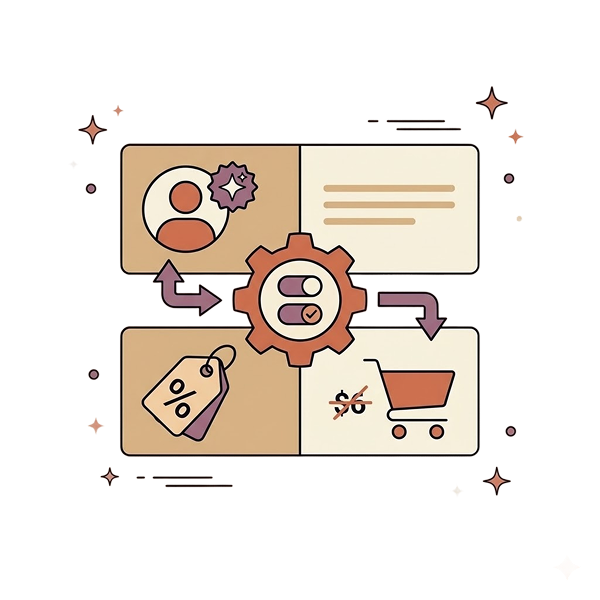
Personalized Deals for Every Customer – Reward loyal buyers and target specific segments with custom offers using Discount Rules for WooCommerce – Pro, enhancing customer retention.
Table of contents
- Understanding B2B eCommerce Marketing in Today’s Digital Landscape
- 7 B2B Ecommerce Marketing Mistakes That Slow Down Your Sales
- Mistake #1: Treating B2B Buyers Like B2C Shoppers
- Mistake #2: Not Having Clear B2B eCommerce Strategies
- Mistake #3: Ignoring Pricing Complexity and Volume-Based Discounts
- Mistake #4: Weak Content and Poor Business-to-Business Marketing Strategies
- Mistake #5: Not Optimizing for Long Sales Cycles
- Mistake #6: Poor Website UX for Business Buyers
- Mistake #7: Underusing Data and Automation in B2B eCommerce Marketing
- How WooCommerce Store Owners Can Fix These Mistakes Faster?
- 5 Proven B2B Ecommerce Marketing Strategies
- 1. Account-Based Marketing (ABM) for High-Value B2B Buyers
- 2. Tiered Pricing and Volume-Based Discount Strategies
- 3. Content-Led SEO for Long B2B Buying Cycles
- 4. Personalization Through Customer Segmentation
- 5. Marketing Automation and Data-Driven Optimization
- Conclusion: Turning Mistakes into Scalable Growth Opportunities
- Frequently Asked Questions
Understanding B2B eCommerce Marketing in Today’s Digital Landscape
Before diving into mistakes, it’s essential to understand what modern B2B ecommerce marketing truly entails.
Unlike B2C, B2B eCommerce marketing focuses on:
- Longer decision-making cycles
- Multiple stakeholders per purchase
- Negotiated pricing and bulk orders
- Relationship-driven selling
- Repeat and contract-based customers
Successful business-to-business marketing strategies combine education, trust-building, personalization, and incentives. This means your marketing isn’t just about traffic; it’s about guiding buyers from research to repeat purchases.
Modern B2B eCommerce strategies often include:
- Content-driven SEO
- Account-based marketing (ABM)
- Tiered pricing and volume discounts
- Marketplace expansion
- Data-driven optimization.
When any of these elements are missing or poorly executed, growth slows down.
7 B2B Ecommerce Marketing Mistakes That Slow Down Your Sales
Mistake #1: Treating B2B Buyers Like B2C Shoppers
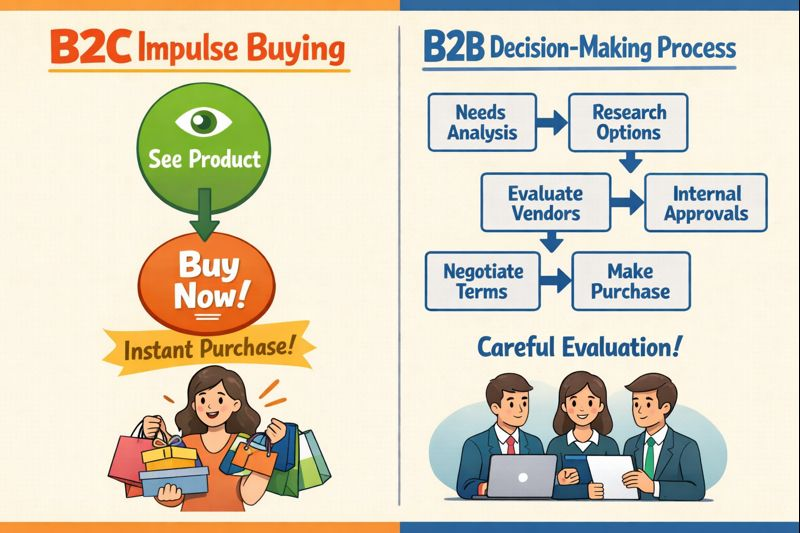
One of the biggest failures in B2B ecommerce marketing is assuming business buyers behave like everyday consumers.
B2B buyers are not looking for impulse deals or flashy banners. They are professionals responsible for budgets, inventory planning, and vendor relationships. Their buying decisions often involve procurement teams, finance approval, and long-term contracts.
When you use B2C-style messaging, like “Buy Now” urgency without context, you ignore the real concerns of B2B buyers: pricing transparency, product consistency, scalability, and post-sale support. This disconnect reduces trust and makes your brand appear inexperienced in handling business clients.
Additionally, B2B customers expect account-based experiences such as negotiated pricing, reorder history, and bulk purchase options. If your ecommerce store does not support these expectations, buyers will move to competitors who understand business-to-business marketing strategies better.
How to Fix It?
To fix this, start by redesigning your marketing around the B2B buyer journey.
Focus on value-driven messaging, clear product specifications, and long-term benefits instead of short-term promotions. Replace emotional hooks with ROI-focused copy, use cases, and industry-specific solutions.
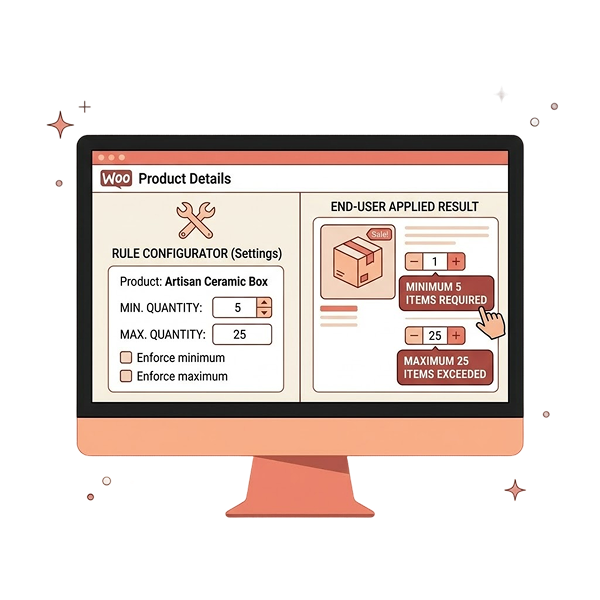
Your ecommerce platform should support account-based features such as custom pricing, minimum order quantities, and role-based access.
Use educational content like whitepapers, buyer guides, and comparison charts to support decision-making. ZenRows can be part of your process to quickly access competitor pricing, product updates, and market trends—helping you make informed strategy decisions.
If you use WooCommerce, implementing structured pricing rules and personalized discounts can help bridge this gap.
Advanced tools allow you to create buyer-specific offers without manual work, improving both trust and efficiency in your B2B ecommerce strategies.
Mistake #2: Not Having Clear B2B eCommerce Strategies
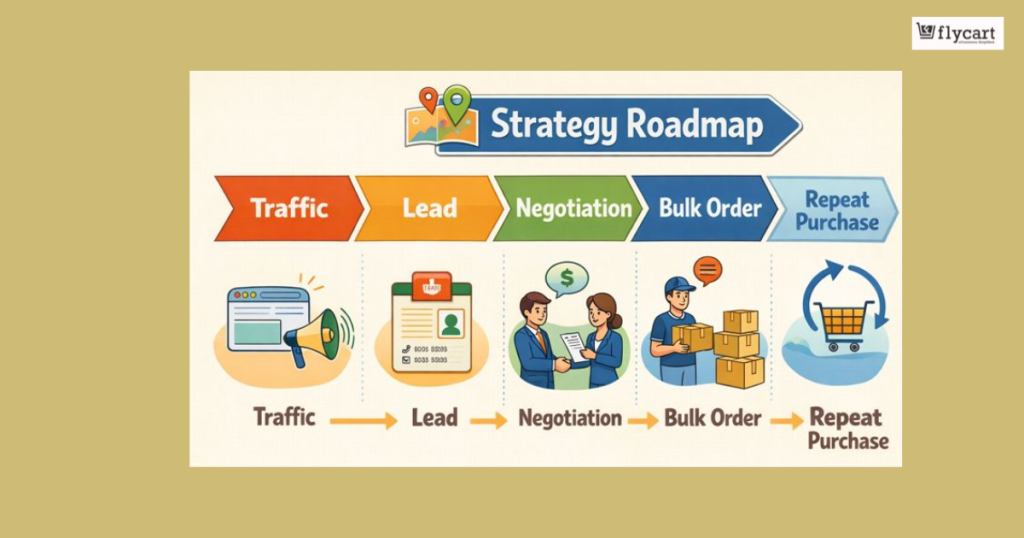
Many businesses jump into B2B selling without defining proper B2B ecommerce strategies. They run ads, publish content, and add products, but without a clear roadmap. This leads to inconsistent messaging, wasted campaigns, and poor alignment between sales and marketing teams.
Without a strategy, businesses fail to segment buyers, personalize offers, or map content to different funnel stages. This is especially damaging in business-to-business marketplace environments, where buyers compare multiple vendors before committing.
Lack of strategy also results in unclear KPIs. Teams don’t know whether to prioritize lead quality, lifetime value, or repeat orders. As a result, even well-designed websites fail to convert serious buyers.
How to Fix It?
Start by building a documented B2B ecommerce marketing strategy. Define your target industries, buyer roles, average order values, and sales cycles. Align your content, pricing, and promotions with each buyer segment.
Use account-based marketing (ABM) approaches to target high-value clients. Create dedicated landing pages and pricing tiers for wholesalers, distributors, or enterprise buyers. Your marketing should educate first, then convert.
A strong strategy also includes automation. Smart discount rules, bulk pricing, and conditional offers allow you to scale without increasing manual work.
These tactics strengthen your business-to-business marketing strategies while maintaining consistency.
Mistake #3: Ignoring Pricing Complexity and Volume-Based Discounts
Pricing is one of the most sensitive elements in B2B ecommerce marketing. Business buyers expect tiered pricing, negotiated discounts, and volume-based incentives.
When your store shows flat pricing for all buyers, it signals that you’re not equipped for B2B relationships.
Ignoring pricing complexity also forces buyers to contact sales for basic negotiations, slowing down the buying process. This friction leads to abandoned deals and lost trust, especially in competitive business-to-business marketplace environments.
How to Fix It?
Implement dynamic pricing models based on quantity, customer role, or order value. Offer bulk discounts, tiered pricing, and loyalty-based incentives. Make pricing transparent but flexible.
Automation is key here. Instead of manual discounts, use rule-based pricing that adjusts automatically. This reduces errors and speeds up conversions.
For WooCommerce store owners, advanced discount plugins allow you to create complex pricing rules without coding. This makes your B2B ecommerce strategies scalable and buyer-friendly.
Mistake #4: Weak Content and Poor Business-to-Business Marketing Strategies
Content plays a huge role in B2B ecommerce marketing, yet many brands publish shallow blog posts that don’t address real buyer concerns.
B2B buyers are looking for expertise, not generic sales pitches.
Poor content weakens trust, hurts SEO visibility, and fails to support long buying cycles.
Without strong business-to-business marketing strategies, content becomes noise instead of a conversion tool.
How to Fix It?
Create in-depth content focused on solving business problems. Use case studies, ROI breakdowns, and industry-specific guides. Align content with each stage of the funnel: awareness, evaluation, and decision.
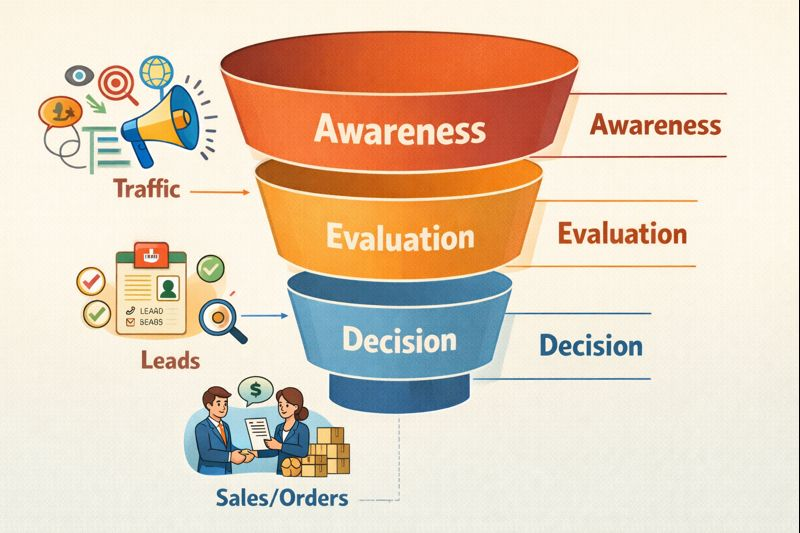
SEO-optimized educational content also improves organic traffic and positions your brand as a thought leader. This approach strengthens both visibility and authority in B2B ecommerce marketing.
Related Read: SEO in E-Commerce: The Complete Guide for Store Owners
Mistake #5: Not Optimizing for Long Sales Cycles
B2B purchases rarely happen in one visit. Long sales cycles require nurturing, follow-ups, and consistent engagement. Ignoring this reality leads to lost leads and low ROI.
How to Fix It?
Use email automation, retargeting, and gated content to nurture leads over time. Provide pricing calculators, downloadable specs, and follow-up offers to keep buyers engaged.
Smart incentives like limited-time bulk discounts can help move hesitant buyers forward without pressure.
Mistake #6: Poor Website UX for Business Buyers
A cluttered or slow website does more than frustrate visitors; it directly hurts credibility in B2B ecommerce marketing.
Business buyers usually visit a site with a clear purpose, such as reviewing product specifications, checking pricing, or placing repeat bulk orders.
When pages take too long to load, navigation feels confusing, or key details are hard to find, buyers quickly lose confidence.
Unlike casual shoppers, B2B buyers are often comparing multiple vendors at once, and even small usability issues can push them toward a competitor that offers a smoother experience.
How to Fix It?
Optimize navigation, product filters, and account dashboards. Add quick reorder options and downloadable invoices. UX improvements directly impact B2B ecommerce strategies.
Mistake #7: Underusing Data and Automation in B2B eCommerce Marketing
Without accurate and actionable data, improving your B2B eCommerce marketing efforts becomes nearly impossible.
Many businesses make the critical mistake of not tracking essential metrics like buyer behavior, pricing performance, and conversion paths. Without understanding how buyers interact with your site, which products attract the most attention, or where prospects drop off in the sales funnel, you’re essentially making decisions in the dark. This lack of insight can lead to missed revenue opportunities, ineffective marketing campaigns, and poorly optimized pricing strategies.
By collecting and analyzing this data consistently, you can identify trends, optimize the customer journey, and make informed decisions that directly impact sales and growth.
How to Fix It?
Start by implementing robust analytics tools to track buyer behavior, conversion paths, and pricing performance. Regularly review this data to identify trends, bottlenecks, and opportunities for improvement. Clear insights help you make informed decisions rather than relying on guesswork.
Next, use marketing automation to deliver personalized offers and optimize campaigns based on real-time data. Segment your audience, predict demand, and adjust strategies for maximum impact. Consistently applying these tactics strengthens your B2B eCommerce marketing strategies and drives measurable growth.
How WooCommerce Store Owners Can Fix These Mistakes Faster?
If you’re running a WooCommerce store, solving these B2B ecommerce marketing mistakes becomes much easier with the right tools.
Discount Rules for WooCommerce – Pro (by Flycart) helps you implement advanced pricing strategies without technical complexity.
You can create:
- Volume-based and tiered pricing
- Role-based discounts for wholesalers
- Conditional offers based on cart value or quantity
- Automated B2B promotions without manual intervention.
This directly supports smarter B2B ecommerce strategies and improves conversions across your business-to-business marketplace setup.
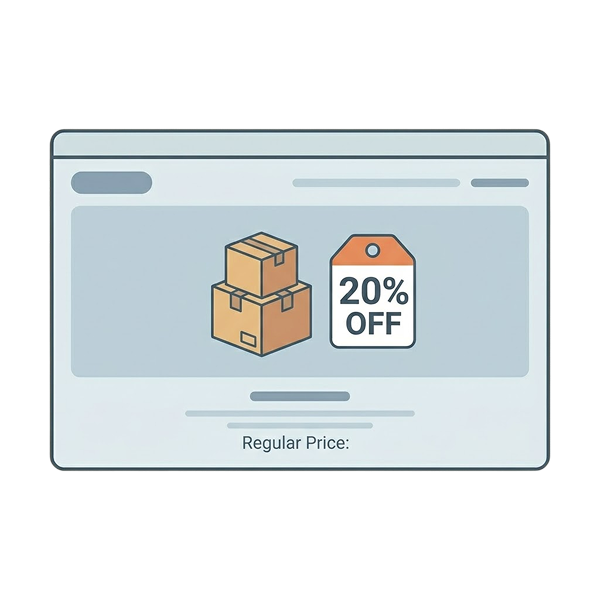
Automate Your Pricing – Set dynamic pricing and tiered discounts effortlessly with Discount Rules for WooCommerce – Pro, saving time while increasing revenue.
5 Proven B2B Ecommerce Marketing Strategies
Below are five proven B2B eCommerce marketing strategies to grow your revenue:
1. Account-Based Marketing (ABM) for High-Value B2B Buyers
Account-Based Marketing is one of the most effective B2B ecommerce marketing strategies because it focuses on quality over quantity. Instead of marketing to a broad audience, ABM targets specific high-value businesses that are most likely to convert and generate long-term revenue.
In B2B eCommerce, buyers usually represent companies, not individuals. Each account may include procurement managers, finance teams, and decision-makers. ABM allows you to tailor your messaging, pricing, and offers to these specific accounts, making your marketing more relevant and impactful.
This strategy works especially well in industries with:
- Large order volumes
- Repeat purchases
- Negotiated pricing
- Long-term contracts.
By personalizing landing pages, email campaigns, and promotions for specific accounts, you shorten sales cycles and improve conversion rates. ABM aligns perfectly with business-to-business marketing strategies because it mirrors how B2B sales actually happen, relationship-driven, not transactional.
For WooCommerce store owners, ABM becomes more powerful when combined with role-based pricing and personalized discounts, allowing each account to feel like it has a “custom store experience.”
2. Tiered Pricing and Volume-Based Discount Strategies
Pricing flexibility is a cornerstone of successful B2B ecommerce marketing. Unlike B2C buyers, B2B customers expect pricing that reflects order size, loyalty, and long-term value. Flat pricing models often fail to meet these expectations and can push buyers toward competitors.
Tiered pricing and volume-based discounts encourage:
- Larger order quantities
- Repeat purchases
- Long-term buyer relationships.
This strategy works well in both standalone B2B stores and business-to-business marketplace environments, where buyers actively compare pricing structures before committing.
For example:
- Buy 10–50 units → 5% discount
- Buy 51–100 units → 10% discount
- Buy 100+ units → Custom pricing.
Such pricing structures clearly communicate value and reward bulk purchasing without manual negotiation. They also reduce friction in the buying process, allowing buyers to self-serve instead of contacting sales for every quote.
From a marketing perspective, tiered pricing supports stronger B2B ecommerce strategies by increasing average order value and improving customer retention.
3. Content-Led SEO for Long B2B Buying Cycles
Content marketing is one of the most underutilized yet powerful B2B ecommerce marketing strategies. B2B buyers research extensively before making a purchase. They read blogs, compare solutions, download guides, and evaluate vendors long before they talk to sales.
SEO-focused content helps you:
- Attract high-intent traffic
- Build trust and authority
- Support long sales cycles
- Reduce dependency on paid ads.
Effective business-to-business marketing strategies focus on educational content, not sales-heavy messaging.
This includes:
- In-depth blog posts
- Buying guides
- Comparison articles
- Case studies
- Industry-specific solutions.
When your content answers real buyer questions, it positions your brand as a reliable partner, not just another vendor. Over time, this improves organic visibility and brings consistent leads into your funnel.
For B2B eCommerce stores, content becomes a silent salesperson that works 24/7.
4. Personalization Through Customer Segmentation
Personalization is no longer optional in B2B ecommerce marketing. Buyers expect experiences tailored to their role, company size, and purchasing history.
Generic promotions and one-size-fits-all messaging reduce engagement and trust.
Customer segmentation allows you to:
- Show relevant products to different buyer groups
- Offer customer-specific pricing
- Run targeted promotions
- Improve repeat purchase rates.
For example:
- Wholesalers see bulk pricing by default
- Distributors receive exclusive discounts
- Returning customers get loyalty-based offers.
This strategy is especially effective in a business-to-business marketplace, where different buyer types coexist on the same platform.
From a marketing standpoint, segmentation improves email performance, conversion rates, and customer lifetime value.
It also strengthens your overall B2B ecommerce strategies by making every interaction feel intentional and relevant.
5. Marketing Automation and Data-Driven Optimization
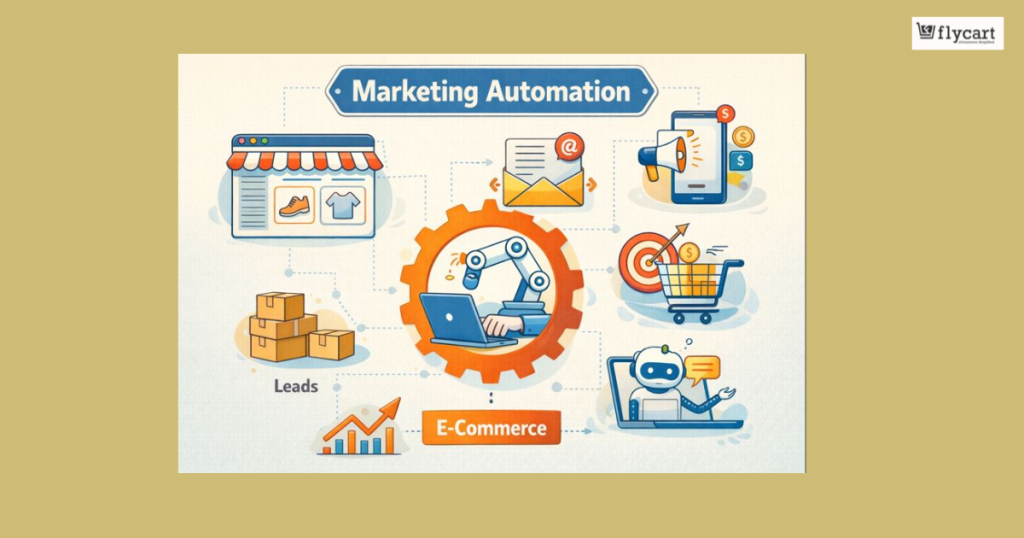
Automation is what allows B2B ecommerce marketing to scale without increasing operational complexity.
Manual follow-ups, pricing updates, and campaign adjustments don’t work when you’re handling dozens or hundreds of B2B accounts.
Marketing automation helps you:
- Trigger emails based on buyer behavior
- Apply dynamic pricing rules automatically
- Run targeted promotions at scale
- Track performance across buyer segments.
Data plays a critical role here. By analyzing metrics such as:
- Conversion rates by customer type
- Average order value
- Repeat purchase frequency
- Discount effectiveness.
You can continuously refine your business-to-business marketing strategies. Automation ensures consistency, while data ensures improvement.
For WooCommerce store owners, combining automation with advanced pricing and discount rules allows you to execute sophisticated B2B ecommerce strategies without custom development or heavy manual effort.
To extend automation beyond discounts and pricing, WooCommerce stores can also use tools like Retainful to recover abandoned carts and automate post-purchase follow-ups. This helps nurture B2B buyers over long sales cycles and improves repeat orders without manual effort.
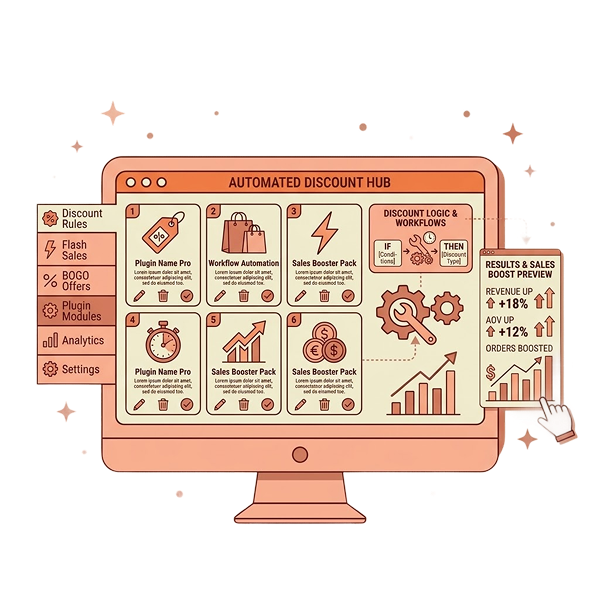
Boost Conversions Instantly – Use Discount Rules for WooCommerce – Pro to create smart discounts, bulk deals, and BOGO offers that encourage more purchases.
Conclusion: Turning Mistakes into Scalable Growth Opportunities
B2B eCommerce marketing doesn’t fail because the model is flawed; it fails when businesses rely on outdated assumptions.
By identifying and fixing these seven common mistakes, you can build stronger relationships, increase conversions, and scale sustainably.
The right combination of clear b2b ecommerce strategies, data-driven decisions, and flexible pricing models can transform your store into a high-performing B2B sales engine.
And if you’re using WooCommerce, tools like Discount Rules for WooCommerce –Pro make it easier to turn smart strategies into real results, without complexity.
Also Read:
- 6 Useful E-Commerce Market Research Tools to Grow Business
- AI in Ecommerce: 2026 Complete Guide with Use Cases & Examples
Frequently Asked Questions
B2B eCommerce marketing focuses on promoting products or services online to other businesses using targeted, relationship-driven strategies.
B2B involves longer sales cycles, negotiated pricing, and multiple decision-makers, unlike B2C’s faster, emotion-driven purchases.
Pricing directly impacts bulk orders, repeat purchases, and long-term contracts, making it a core part of B2B eCommerce strategies.
Yes. With the right plugins and setup, WooCommerce can handle advanced B2B pricing, segmentation, and promotions effectively.
Strategic discounts encourage larger orders, improve loyalty, and shorten sales cycles when applied contextually.