Cart abandonment continues to be one of the biggest challenges in the B2C ecommerce market, with an average of 70.22%.
Consumers browse products, add them to carts, and leave without completing checkout — often due to friction, lack of trust, or inconvenient buying experiences.
As competition increases across the B2C ecommerce market, store owners can no longer afford to ignore abandonment-related revenue loss.
This is where B2C ecommerce trends become critical!
Modern B2C ecommerce developments focus on simplifying checkout, improving convenience, and meeting customers where they are: across devices, platforms, and touchpoints.
Businesses that adopt the right consumer-focused ecommerce patterns see higher conversion rates, better customer satisfaction, and stronger lifetime value.
In this guide, we’ll explore 10 powerful B2C ecommerce trends that help store owners reduce cart abandonment.
Boost Average Order Value Today – Activate Discount Rules for WooCommerce to Reward Customers with Personalized Checkout Offers.
Table of contents
- What is B2C Ecommerce?
- B2C Ecommerce Examples
- 10 B2C Ecommerce Trends That Reduce Cart Abandonment
- 1. Transparent Pricing & Upfront Cost Visibility
- 2. Mobile-First Checkout Optimization
- 3. One-Page & Express Checkout Experiences
- 4. Multiple Payment Options & Buy Now Pay Later (BNPL)
- 5. Automated Cart Recovery & Remarketing
- 6. Voice Commerce
- 7. Omnichannel Experience
- 8. Social Commerce
- 9. AR/VR Shopping Experiences
- 10. AI-Powered Personalization & Assistance
- Tips for Store Owners to Improve Checkout Conversions
- How WooCommerce Store Owners Can Reduce Cart Abandonment Using the Right Plugins?
- Conclusion
- Frequently Asked Questions
What is B2C Ecommerce?
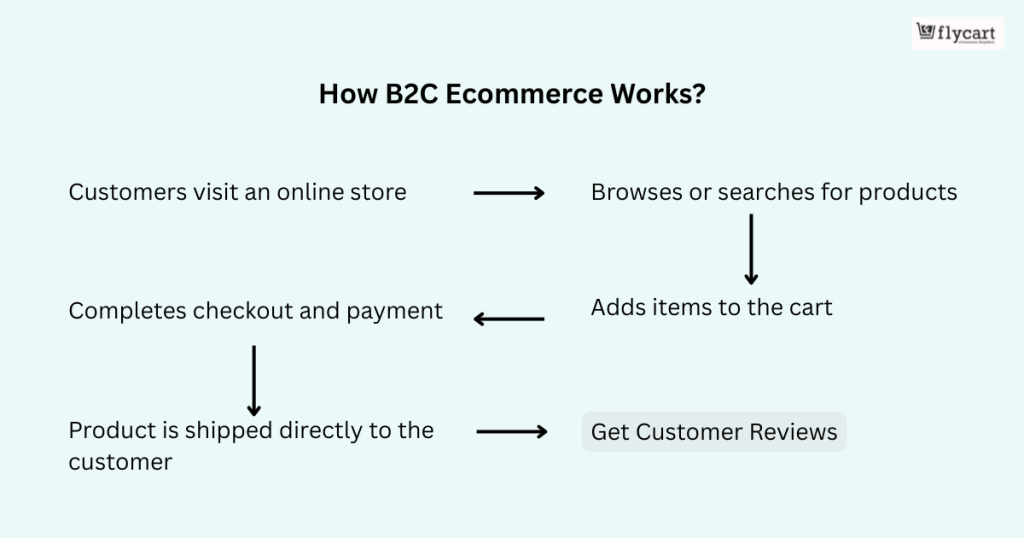
B2C ecommerce (Business-to-Consumer ecommerce) is a business model where companies sell products or services directly to individual consumers through online channels.
Instead of selling in bulk to other businesses, brands use websites, apps, and marketplaces to reach end customers.
In B2C ecommerce, the buying journey is usually short and emotional: customers browse, compare, and purchase products for personal use.
This model places a strong emphasis on user experience, pricing, convenience, and trust, which is why checkout optimization and customer-centric features are of paramount importance.
Common elements of B2C ecommerce include:
- Online product catalogs
- Digital payments and checkout
- Direct shipping to consumers
- Customer Support, Reviews, and Returns.
Why B2C Ecommerce Matters Today?
The B2C ecommerce market continues to grow, anticipated to reach $17.77T by 2030, due to:
- Increased mobile usage
- Faster delivery expectations
- Social commerce adoption
- Personalized shopping experiences.
B2C Ecommerce Examples
Here are clear, real-world B2C ecommerce examples across different industries:
1. Online Retail Stores
- Clothing, electronics, beauty, or grocery websites that sell directly to consumers.
- Example: A fashion brand selling apparel through its own website.
2. Brand-Owned D2C Websites
- Manufacturers are bypassing middlemen to sell directly.
- Example: A skincare brand selling products through its WooCommerce store.
3. Online Marketplaces
- Platforms that connect sellers with consumers.
- Example: Amazon, Flipkart, Myntra.
4. Digital Products & Subscriptions
- Streaming, software, or learning platforms.
- Example: Netflix subscriptions, online courses.
5. Mobile Commerce Apps
- App-based shopping experiences.
- Example: Food delivery or quick-commerce apps.
10 B2C Ecommerce Trends That Reduce Cart Abandonment
Let’s explore each eCommerce trends for the B2C industry and discuss how it helps your store reduce cart abandonment rate.
1. Transparent Pricing & Upfront Cost Visibility
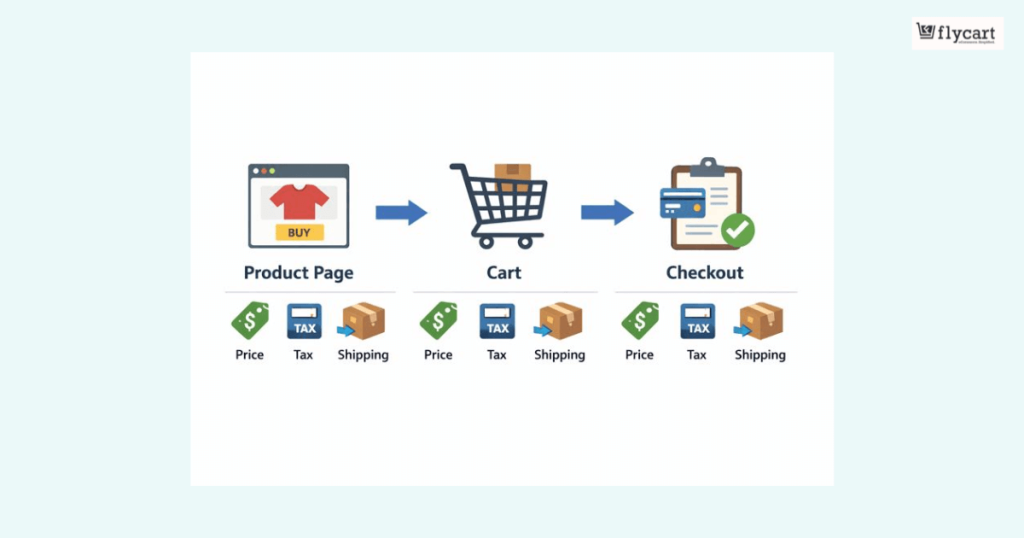
One of the most impactful B2C ecommerce trends is transparent pricing.
Unexpected shipping fees, taxes, or handling charges remain the #1 reason shoppers abandon carts across the B2C ecommerce market.
Modern B2C ecommerce platforms now enable real-time shipping calculators, tax estimators, and upfront delivery timelines directly on product and cart pages.
These B2C ecommerce solutions eliminate surprises and build trust early in the buying journey.
By clearly displaying total costs upfront, this B2C ecommerce trend reduces hesitation and increases checkout completion rates.
2. Mobile-First Checkout Optimization
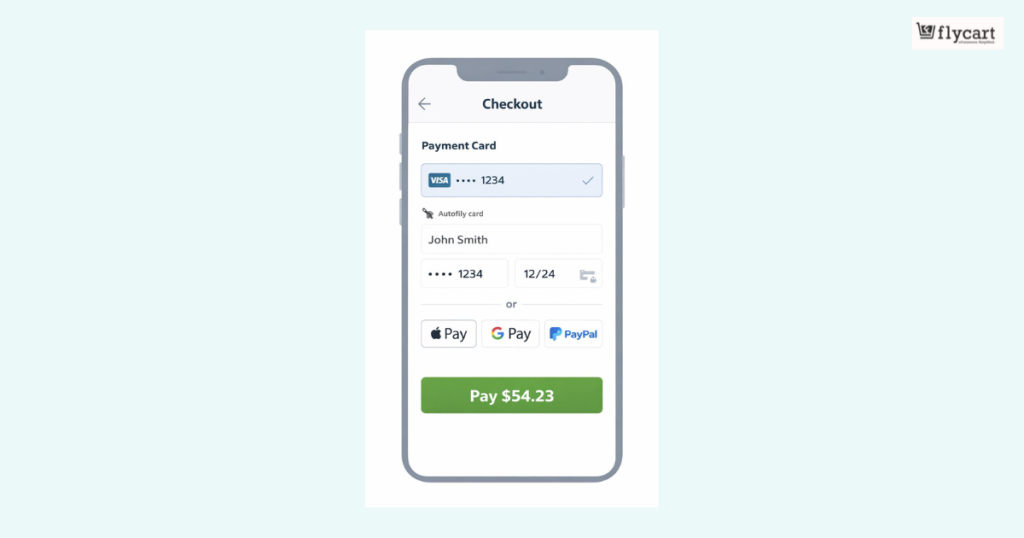
Mobile traffic dominates the B2C ecommerce market, yet mobile users abandon carts more frequently due to poor usability.
Mobile-first checkout optimization has become a key B2C ecommerce trend. It focuses on simplified forms, autofill, mobile wallets, fast load times, and thumb-friendly design to enhance the shopping experience.
Optimizing checkout for mobile ensures a smooth buying experience, making this trend critical for reducing abandonment and increasing conversions.
3. One-Page & Express Checkout Experiences
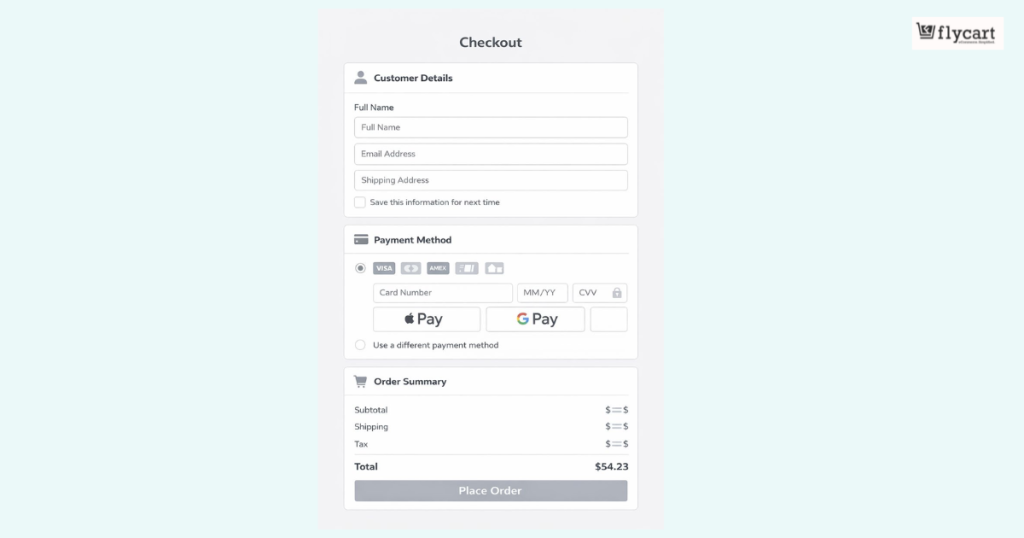
Complex, multi-step checkouts are outdated.
A key B2C ecommerce trend is moving to one-page and express checkout experiences.
Leading B2C ecommerce platforms now support guest checkout, saved addresses, and instant payment options. These B2C ecommerce solutions reduce time, effort, and decision fatigue.
This B2C ecommerce trend works because faster checkouts lead to fewer drop-offs, especially for impulse and repeat buyers.
Related Read: 5 Tips to Speed Up the Checkout Process for WooCommerce Stores
4. Multiple Payment Options & Buy Now Pay Later (BNPL)
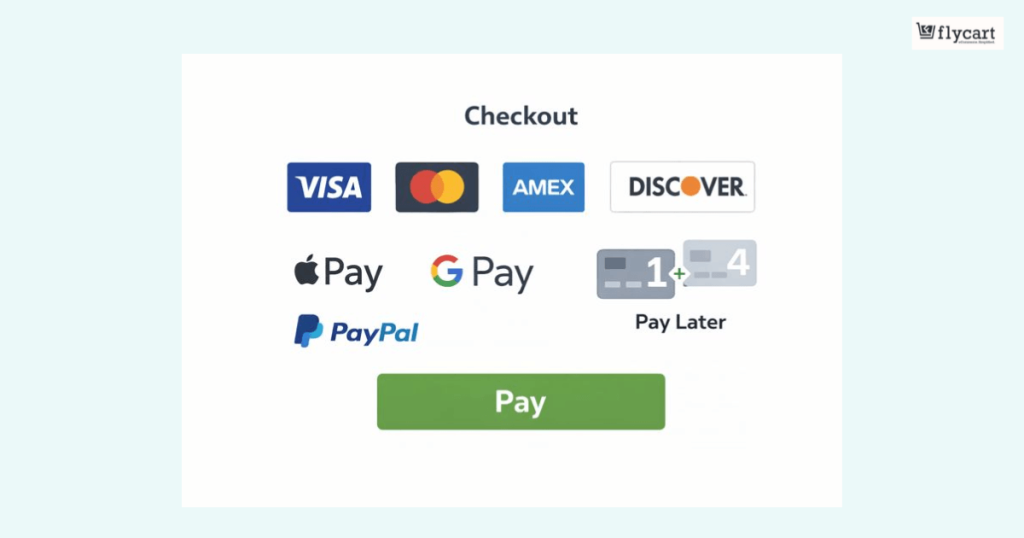
Limited payment choices cause unnecessary cart abandonment.
One growing B2C ecommerce trend is offering multiple payment options, including digital wallets, UPI, credit/debit cards, and Buy Now Pay Later (BNPL) solutions.
BNPL makes high-value purchases feel more accessible, especially in competitive B2C ecommerce markets.
By providing diverse payment methods, store owners can cater to different customer preferences, reduce friction at checkout, and significantly lower cart abandonment rates.
Flexible payment options also encourage larger purchases, improve customer satisfaction, and build trust, making it easier for shoppers to complete their transactions without hesitation.
This B2C ecommerce trend directly increases checkout completion and average order value.
5. Automated Cart Recovery & Remarketing
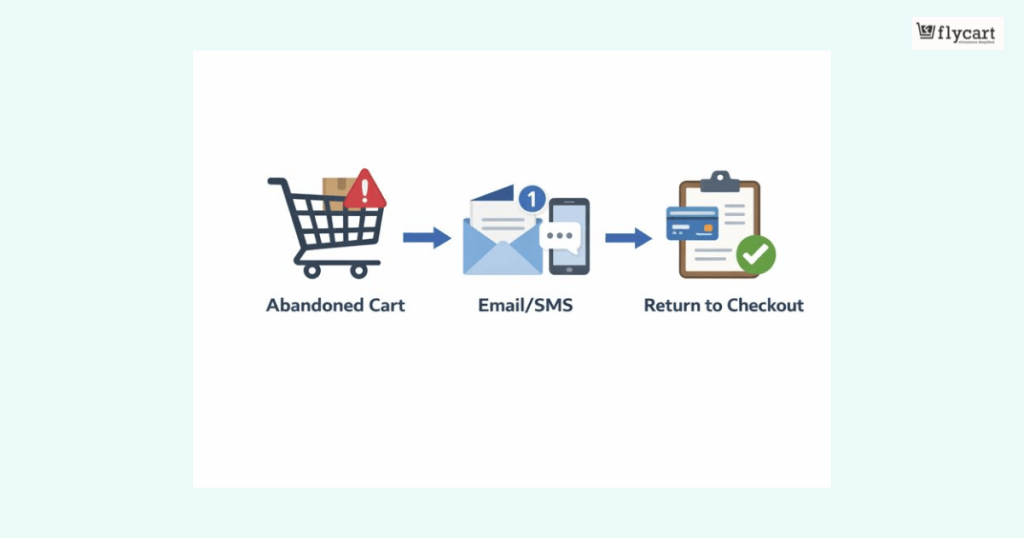
Not all abandoned carts are lost forever.
Using automated cart recovery is a powerful strategy in today’s B2C ecommerce landscape.
Using email, SMS, and retargeting ads, modern B2C ecommerce solutions re-engage shoppers who leave without purchasing. Timely reminders, incentives, and urgency messaging bring customers back.
This B2C ecommerce trend helps store owners recover revenue with minimal manual effort.
Related Read: WooCommerce Abandoned Carts – a Guide to Convert Lost Sales Into Revenue
6. Voice Commerce
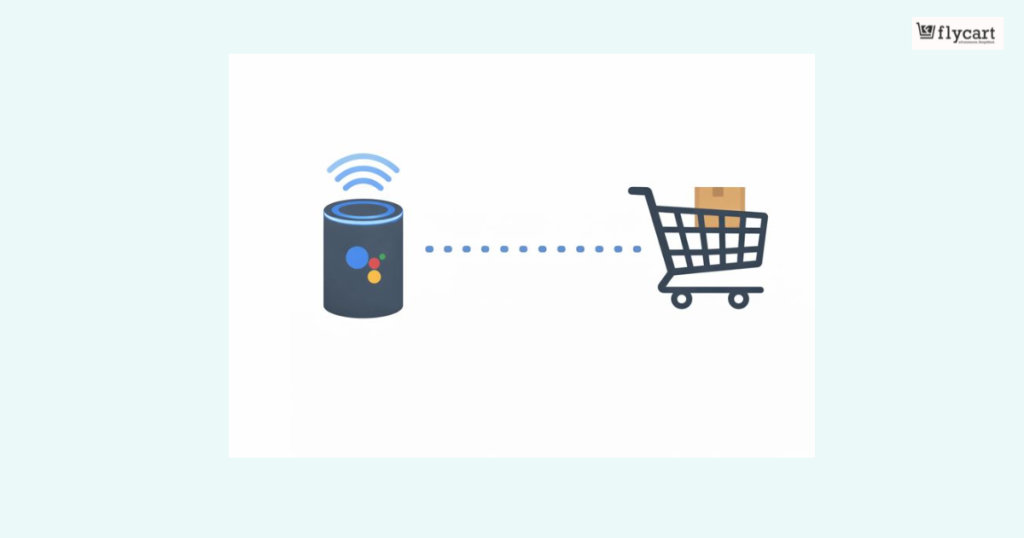
Voice commerce is an emerging B2C ecommerce trend driven by smart assistants and voice-enabled devices.
Customers increasingly use voice to search products, check prices, and reorder items.
Voice-enabled B2C ecommerce platforms reduce friction by allowing hands-free, fast interactions.
This B2C ecommerce trend improves convenience and reduces abandonment for repeat and quick-purchase scenarios.
7. Omnichannel Experience
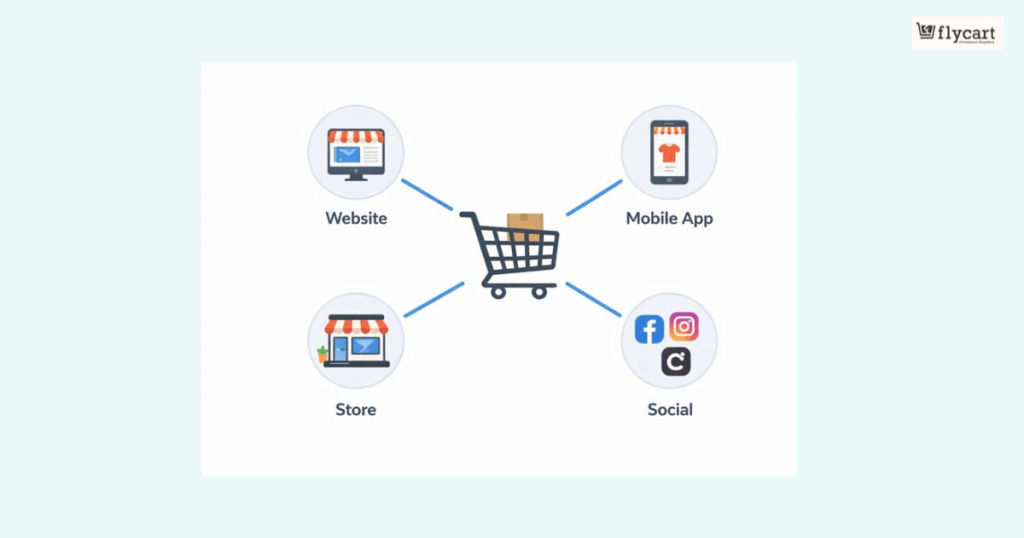
Modern consumers don’t shop in one place. Delivering seamless omnichannel experiences across web, mobile, social, and offline touchpoints is becoming a key B2C ecommerce strategy.
When carts, preferences, and accounts sync across channels, shoppers can resume purchases without restarting.
This trend eliminates frustration and drop-offs.
Omnichannel consistency is now essential in the B2C ecommerce market.
8. Social Commerce
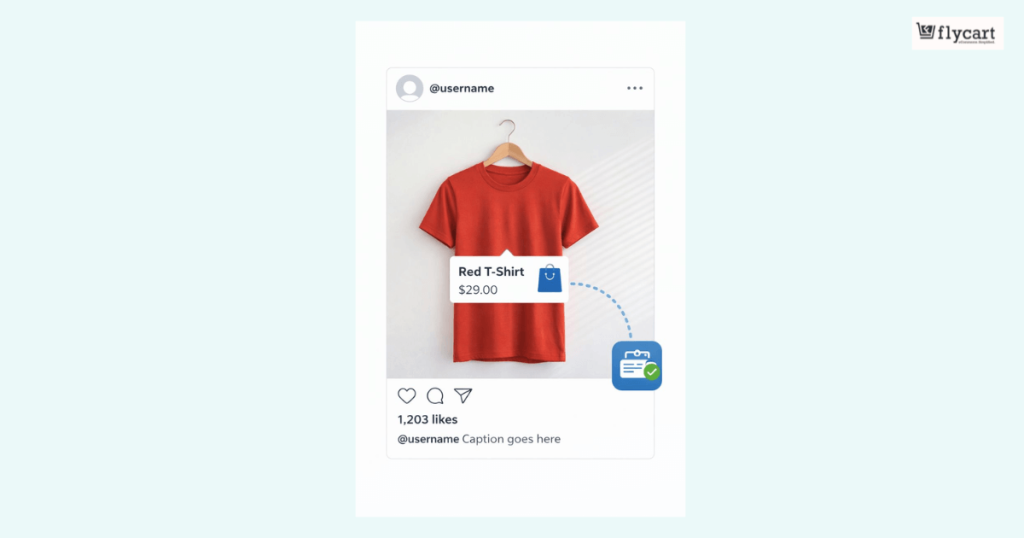
Social platforms are becoming full-fledged B2C ecommerce platforms. It enables direct purchases through social media.
Shoppable posts, in-app checkout, and influencer-driven sales reduce steps between discovery and purchase. Fewer steps mean fewer abandoned carts.
This B2C ecommerce trend is especially effective for impulse buying and mobile users.
Related Read: How Social Proof Plays a Major Role in eCommerce Conversions?
9. AR/VR Shopping Experiences
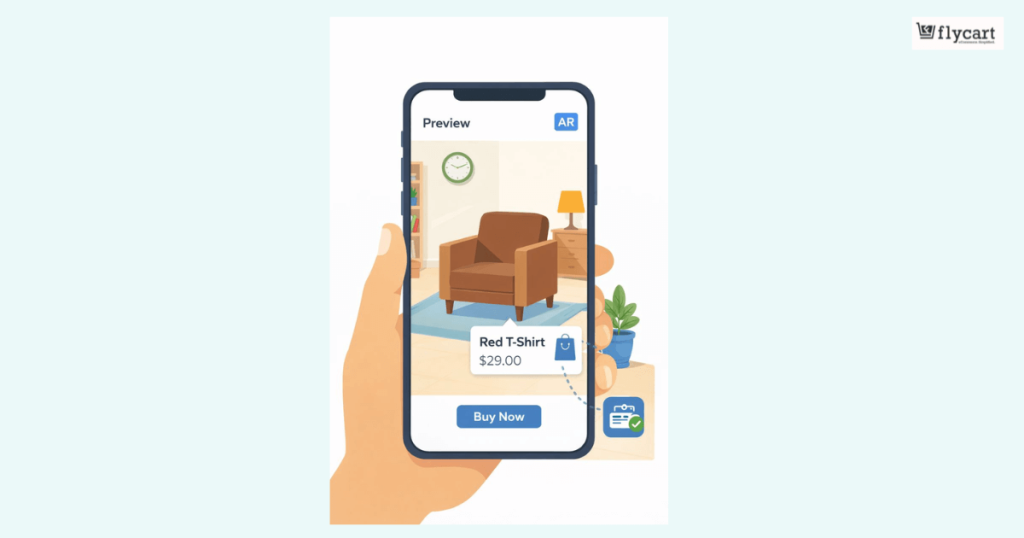
Uncertainty leads to hesitation. In B2C ecommerce, AR and VR technologies are emerging trends that minimize buyer uncertainty and improve the shopping experience.
By allowing customers to visualize products in real environments, AR/VR reduces returns and abandonment.
These B2C ecommerce solutions are especially effective for fashion, furniture, and lifestyle products.
Confidence leads to conversions, making this trend a powerful abandonment reducer.
10. AI-Powered Personalization & Assistance
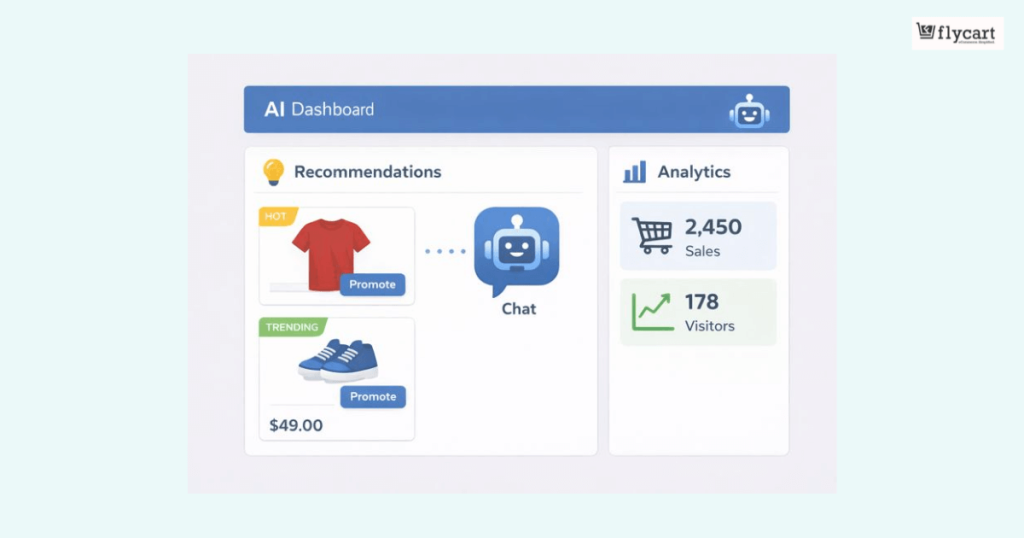
AI is one of the most transformative B2C ecommerce shifts today.
From personalized recommendations to AI chatbots, automation enhances every step of the buying journey.
AI-driven B2C ecommerce solutions offer real-time assistance, personalized discounts, and smart product suggestions, directly addressing buyer objections during checkout.
This B2C ecommerce trend reduces friction and improves conversion rates at scale.
Tips for Store Owners to Improve Checkout Conversions
- Simplify checkout across all B2C ecommerce platforms: Reduce form fields, steps, and distractions to make purchases faster and easier to complete.
- Test mobile-first designs regularly: Ensure checkout works smoothly on small screens where most B2C shoppers browse and buy.
- Offer flexible payments and BNPL: Remove price hesitation by letting customers pay using their preferred or split payment methods.
- Use automation for cart recovery: Automatically remind shoppers to return and complete purchases through email, SMS, or ads.
- Maintain consistent omnichannel experiences: Let customers switch between devices or channels without losing their cart or progress.
- Continuously analyze abandonment data: Identify where shoppers drop off and fix friction points that hurt conversions.
How WooCommerce Store Owners Can Reduce Cart Abandonment Using the Right Plugins?
If you’re running your store on WooCommerce, you already have a flexible B2C ecommerce platform.
However, reducing cart abandonment requires more than just a good checkout page — it requires the right tools to influence buying decisions and recover lost carts.
Two powerful WooCommerce plugins that directly support modern B2C ecommerce trends are Discount Rules for WooCommerce – Pro (by Flycart) and Retainful.
(A) Discount Rules for WooCommerce – Pro (Flycart): Discount Plugin
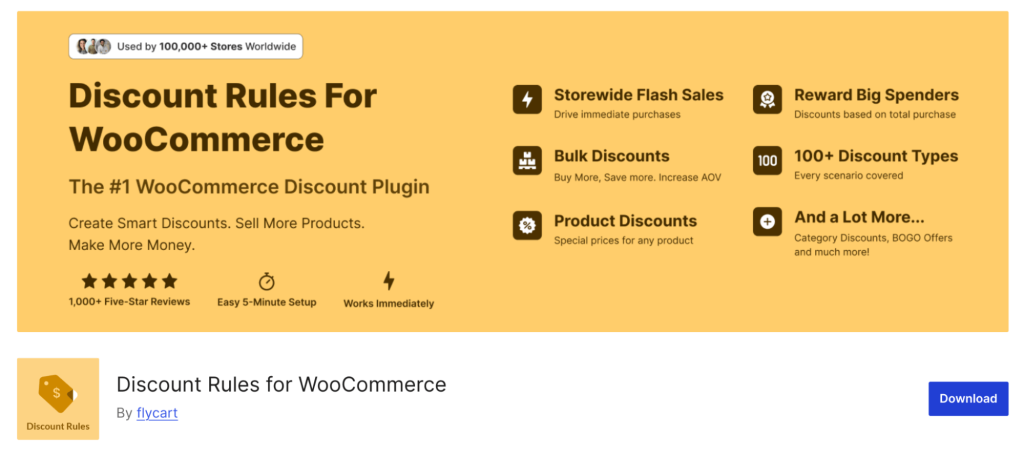
Discount Rules for WooCommerce – Pro is a pricing and promotion plugin that allows store owners to create dynamic, rule-based discounts without complex setup.
Instead of offering flat discounts to everyone, the plugin enables targeted offers such as bulk discounts, cart-based discounts, conditional discounts, free gifts, and limited-time deals.
From a cart abandonment perspective, this plugin helps by reducing price hesitation at the checkout stage.
Store owners can trigger smart incentives like “Buy more, save more,” cart-value discounts, or automatic discounts applied in the cart — removing the need for coupon codes.
These contextual offers encourage shoppers to complete their purchase rather than abandon the cart, making it a practical B2C ecommerce solution for improving conversions on WooCommerce stores.
Increase Conversions Instantly – Use WooCommerce Discount Rules Pro to Run Bulk Discounts, BOGO, and Tiered Deals for Your Customers.
(B) Retainful – Email Marketing & Cart Recovery Automation Tool
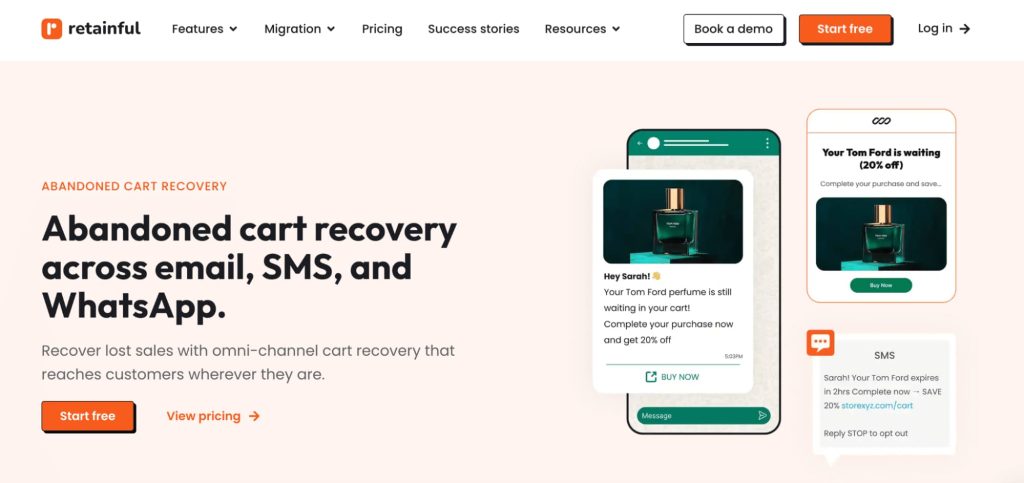
Retainful is an email marketing and automation plugin designed specifically for ecommerce stores.
It focuses on recovering abandoned carts, increasing repeat purchases, and building long-term customer relationships through automated email workflows.
For cart abandonment, Retainful automatically sends abandoned cart emails to shoppers who leave without completing checkout. These emails can include reminders, product details, urgency messaging, or incentives to bring customers back.
Retainful also supports next-order coupons and follow-up emails, which align with automation-focused B2C ecommerce trends.
By re-engaging shoppers at the right time, store owners can recover lost revenue without manual effort.
Why These Plugins Work Well Together for WooCommerce Stores?
When used together, “Discount Rules for WooCommerce – Pro” and “Retainful” address both sides of cart abandonment:
- Prevent abandonment by offering smart, timely discounts during checkout.
- Recover abandoned carts through automated email follow-ups.
This combination helps WooCommerce store owners apply proven B2C ecommerce trends: personalization, automation, and incentive-driven conversions, using tools built specifically for their platform.
Turn Cart Abandonment into Revenue – Get Discount Rules for WooCommerce Now to Offer Smart Discounts at Checkout.
Conclusion
Reducing cart abandonment is not about quick fixes; it’s about adopting the right B2C ecommerce trends.
As the B2C ecommerce market evolves, customer expectations continue to rise.
By implementing these 10 B2C ecommerce trends, store owners can remove friction, build trust, and create seamless buying experiences.
With the right B2C ecommerce solutions and platforms, abandoned carts can turn into completed purchases and loyal customers.
Also Read
- 10 Helpful AI Tools for eCommerce Stores to Boost Revenue
- AI in Ecommerce: Complete Guide with Use Cases & Examples
- SEO in E-Commerce: The Complete Guide for Store Owners
Frequently Asked Questions
B2C ecommerce trends are evolving strategies and technologies that improve how businesses sell directly to consumers online.
Checkout optimization, payment flexibility, and automated cart recovery have the highest impact.
Review B2C ecommerce developments quarterly to stay competitive.
Store owners can stay ahead by regularly analyzing customer behavior, adopting emerging technologies like AI, AR/VR, and BNPL, optimizing mobile and omnichannel experiences, and leveraging automation tools for cart recovery and personalized offers.
Keeping up with B2C ecommerce news and testing new strategies helps maintain a competitive edge.